

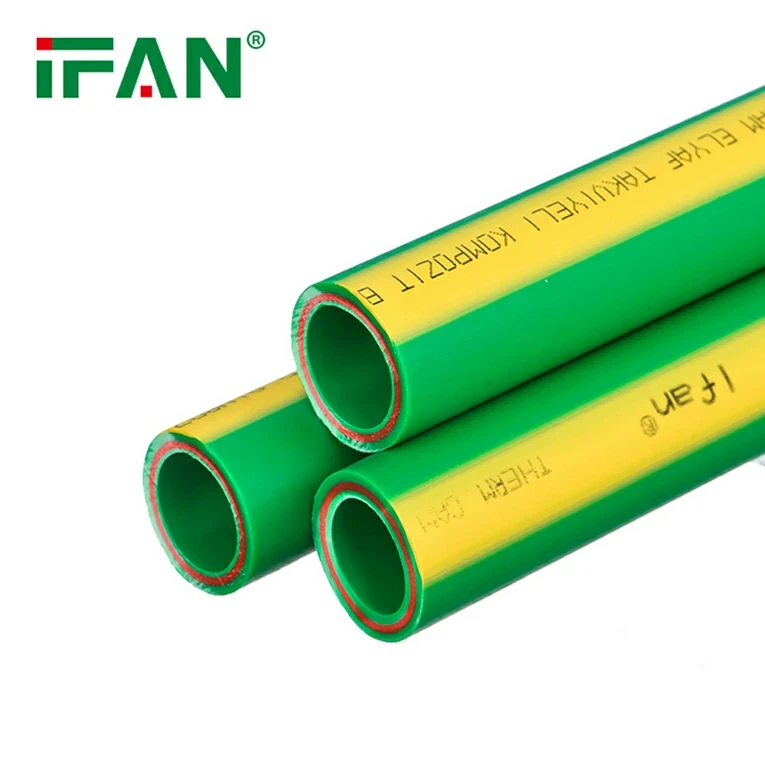
Polypropylene PPR Water Pipes
IFAN factory 30+ years manufacture experience support color /size customization support free sample.This is our Facebook Website:www.facebook.com,Click to watch IFAN's product video.
PPR Pipe: A Review of Its Use in Heating Systems
Introduction
Heating systems are essential for maintaining comfortable indoor temperatures, especially in colder climates. PPR (Polypropylene Random Copolymer) pipes have emerged as a popular choice for use in heating systems due to their unique properties and advantages. This review explores the various aspects of PPR pipes in heating applications, including their performance, installation, and long - term viability.

Advantages of PPR Pipes in Heating Systems
Excellent Heat Resistance
PPR pipes are known for their high heat resistance. They can withstand elevated temperatures typically encountered in heating systems, such as those in hot water heating loops. The melting point of PPR is relatively high, around 160 - 170 °C, which allows the pipes to operate safely at the temperatures required for heating purposes, usually up to 95 °C. This heat resistance ensures that the pipes do not deform or degrade under normal heating system conditions, providing long - term reliability.
Good Insulating Properties
PPR has inherent insulating properties. Compared to some metal pipes, PPR pipes have a lower thermal conductivity. This means that they are better at retaining the heat of the hot water flowing through them. In a heating system, this reduces heat loss to the surrounding environment, making the system more energy - efficient. For example, in a multi - story building with a central heating system, using PPR pipes can help maintain the temperature of the hot water as it circulates to different floors, minimizing the need for additional energy to re - heat the water.
Corrosion Resistance
One of the significant advantages of PPR pipes in heating systems is their resistance to corrosion. In heating systems, the water may contain dissolved oxygen and other substances that can cause corrosion in metal pipes over time. PPR pipes, being made of a non - metallic polymer, are immune to corrosion. This not only extends the lifespan of the pipes but also helps to keep the water in the heating system clean. Corrosion - free pipes prevent the build - up of rust and other contaminants that could potentially clog the system or affect the performance of heating components such as radiators.
Applications of PPR Pipes in Different Heating Systems
Domestic Central Heating Systems
In domestic central heating systems, PPR pipes are widely used for distributing hot water from the boiler to radiators. They can be easily installed in both new construction and retrofit projects. The flexibility of PPR pipes allows for easier routing around obstacles in the building structure. For instance, in a typical family home, PPR pipes can be bent to fit through tight spaces in the walls or under the floors, ensuring a neat and efficient installation. Their lightweight nature also reduces the load on the building's infrastructure, making them suitable for multi - story buildings.
Underfloor Heating Systems
PPR pipes are also a popular choice for underfloor heating systems. In these systems, the pipes are laid beneath the floor surface, and hot water circulates through them to warm the room. PPR pipes' ability to withstand the high temperatures required for underfloor heating, combined with their good heat - transfer characteristics, makes them ideal for this application. The smooth inner surface of PPR pipes ensures a consistent flow of hot water, providing even heat distribution across the floor area. This results in a more comfortable and energy - efficient heating solution for residential and commercial spaces.
District Heating Systems
In district heating systems, which supply heat to multiple buildings from a central source, PPR pipes can be used for the secondary distribution network. These pipes need to be able to handle the pressure and temperature variations associated with large - scale heat distribution. PPR pipes' high - pressure resistance and heat stability make them suitable for this purpose. They can effectively transport hot water over long distances to individual buildings, ensuring reliable heat supply. Additionally, their corrosion resistance is crucial in district heating systems, as the water may contain various additives and impurities.
Installation Considerations for PPR Pipes in Heating Systems
Heat - Fusion Welding
The most common method of joining PPR pipes in heating systems is heat - fusion welding. This process involves heating the ends of the pipes and fittings to a molten state using a specialized welding tool. Once molten, the pipes and fittings are pressed together to form a strong, permanent bond. Proper heat - fusion welding requires skilled technicians and precise control of the heating temperature and time. Incorrect welding can lead to weak joints, which may result in leaks in the heating system. Therefore, it is essential to follow the manufacturer's guidelines and industry - standard procedures for heat - fusion welding.
Thermal Expansion
PPR pipes expand and contract with changes in temperature, which is a significant consideration in heating systems. To accommodate thermal expansion, expansion joints or loops can be incorporated into the installation design. These expansion elements allow the pipes to move freely as the temperature changes, preventing stress build - up in the pipes and joints. In a long - run heating pipeline, for example, expansion loops can be installed at regular intervals to absorb the thermal expansion and contraction, ensuring the integrity of the system over time.
Support and Anchoring
Proper support and anchoring of PPR pipes are necessary to prevent sagging and ensure stable operation in heating systems. The pipes should be supported at appropriate intervals, depending on their diameter and the weight of the water they carry. In vertical installations, anchors are used to secure the pipes in place and prevent movement. Adequate support and anchoring not only protect the pipes from physical damage but also contribute to the efficient operation of the heating system by maintaining the correct alignment of the pipes.
Long - Term Performance and Maintenance of PPR Pipes in Heating Systems
Durability
PPR pipes have a long lifespan when used in heating systems. With proper installation and under normal operating conditions, they can last for up to long-term durability according to standards. Their resistance to corrosion, heat, and mechanical stress contributes to their durability. However, factors such as water quality, extreme temperature fluctuations, and improper installation can affect their lifespan. Regular inspection of the PPR pipes in heating systems is recommended to detect any signs of wear or damage early.
Maintenance Requirements
Maintenance of PPR pipes in heating systems is relatively straightforward. Periodic checks for leaks, especially at the joints, should be carried out. In case of a leak, the affected section of the pipe can be repaired by cutting out the damaged part and replacing it with a new section using heat - fusion welding. The smooth inner surface of PPR pipes reduces the likelihood of scale or sediment build - up, but it is still advisable to flush the heating system periodically to remove any impurities that may have entered the system. Additionally, monitoring the water quality in the heating system can help prevent any potential issues that could affect the performance of the PPR pipes.
Impact of PPR Pipes on the Overall Efficiency of Heating Systems
Energy Savings
The use of PPR pipes in heating systems can contribute to energy savings. Their good insulating properties reduce heat loss, which means that less energy is required to maintain the desired water temperature. In a large - scale heating system, this can result in significant energy cost savings over time. For example, in a commercial building with a high - demand heating system, the energy saved by using PPR pipes can translate into lower utility bills.
System Reliability
PPR pipes' reliability in heating systems also impacts overall efficiency. Their resistance to corrosion and ability to withstand temperature and pressure variations reduce the likelihood of system failures. A reliable heating system with PPR pipes ensures continuous and consistent heat supply, eliminating disruptions that could otherwise lead to inefficiencies, such as the need for repeated re - heating or system shutdowns for repairs.
Conclusion
PPR pipes offer numerous advantages for use in heating systems, including excellent heat resistance, good insulating properties, and corrosion resistance. They are suitable for a wide range of heating applications, from domestic central heating to large - scale district heating systems. Proper installation, consideration of thermal expansion, and regular maintenance are key to ensuring the long - term performance and efficiency of PPR pipes in heating systems. As the demand for energy - efficient and reliable heating solutions continues to grow, PPR pipes are likely to play an increasingly important role in the design and implementation of heating systems.
Hot Tags: polypropylene ppr water pipes, China, suppliers, manufacturers, factory, wholesale, cheap, discount, low price, in stock, free sample, Plastic PPR Pipe, PPR Fitting Male, White Plastic PPR Pipe, Floor Heating PEX Pipe, Floor Drain, PEX Press Fitting
Send Inquiry
