
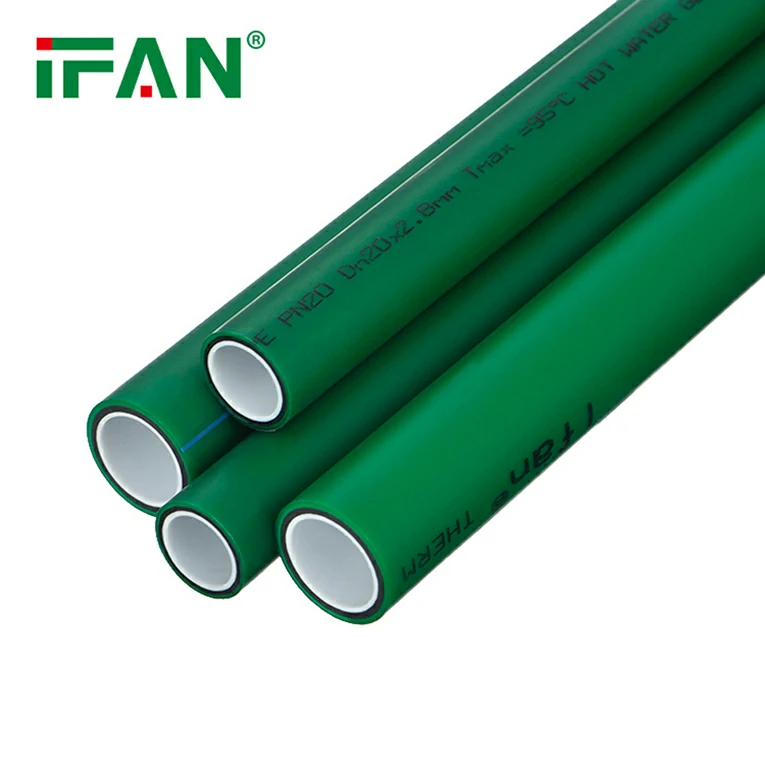
20mm-110mm Piping PPR Water Pipes
IFAN factory 30+ years manufacture experience support color /size customization support free sample.This is our Facebook Website:www.facebook.com,Click to watch IFAN's product video.
PPR Pipe: The Impact of Design on System Performance
Introduction
PPR (Polypropylene Random Copolymer) pipes are extensively used in a wide range of applications, including plumbing, heating, and industrial fluid transportation systems. The design of PPR pipe systems plays a crucial role in determining their overall performance, functionality, and longevity. A well - designed PPR pipe system can ensure efficient fluid flow, proper temperature regulation, and reliable operation. Conversely, a poorly designed one may lead to various issues such as leaks, reduced flow rates, and premature system failure.

Pipe Diameter and Wall Thickness Design
Pipe Diameter Design
The diameter of PPR pipes significantly affects the flow rate and pressure drop within the system. In fluid - carrying systems, the pipe diameter must be carefully selected based on the required flow capacity. Larger diameter pipes generally allow for higher flow rates with lower pressure drops. For example, in a large - scale commercial building's water supply system, if the water demand is high, using PPR pipes with an appropriately large diameter can ensure that all fixtures receive an adequate water supply without significant pressure loss. Conversely, if the pipe diameter is too small for the intended flow rate, it can cause restrictions, leading to reduced water pressure at the outlets and potential damage to pumps or other components due to increased pressure requirements.
Wall Thickness Design
The wall thickness of PPR pipes is another critical design factor. It directly impacts the pipe's strength and its ability to withstand internal and external pressures. Pipes with thicker walls are more robust and can resist higher internal pressures, making them suitable for applications where high - pressure fluids are being transported, such as in industrial pipelines or high - rise building water supply systems. However, thicker - walled pipes also come with higher costs. Additionally, the wall thickness should be uniform throughout the pipe length to ensure consistent performance. Deviations in wall thickness can create weak points, increasing the risk of pipe failure under pressure.
Pipe Connection Design
Joint Design
The design of joints in PPR pipe systems is essential for ensuring leak - free operation. The most common jointing method for PPR pipes is heat - fusion welding. In this process, the ends of the pipes and fittings are heated to a molten state and then joined together. The joint design should ensure proper alignment and sufficient contact area between the pipe and the fitting. A well - designed joint will have a smooth transition between the pipe and the fitting, minimizing the risk of flow disturbances and leaks. For example, the use of properly designed fusion fittings with the correct chamfer angles and socket depths can enhance the quality of the joint. Other jointing methods, such as mechanical connections, also require careful design to ensure a secure and tight connection.
Sealing Design
In addition to the joint design, the sealing mechanism in PPR pipe systems is crucial. Seals are used to prevent fluid leakage at the joints. The choice of sealing materials, such as rubber gaskets, should be based on the compatibility with the fluid being transported and the operating temperature and pressure conditions. The design of the sealing groove or the way the seal is installed also impacts its effectiveness. A well - designed sealing system will provide a reliable and long - lasting seal, even under fluctuating operating conditions.
System Layout Design
Layout for Optimal Flow
The layout of PPR pipes within a system should be designed to promote optimal fluid flow. This involves minimizing the number of bends, elbows, and fittings, as these can cause flow restrictions and increase pressure drop. A straight - line layout with smooth transitions is ideal for ensuring efficient flow. For instance, in a heating system, the pipes should be arranged in a way that allows the hot water to circulate evenly throughout the building, reaching all radiators or heating elements without significant resistance. Proper slope design is also important in drainage systems to ensure that the wastewater flows freely by gravity.
Expansion and Contraction Consideration
PPR pipes expand and contract with changes in temperature. A good system layout design takes this into account. Expansion joints or loops can be incorporated into the design to accommodate the thermal movement of the pipes. Without proper consideration for expansion and contraction, the pipes may experience stress, which can lead to cracks, leaks, or damage to the supporting structures. In large - scale industrial plants where temperature variations can be significant, a well - planned layout with appropriate expansion provisions is essential for the long - term performance of the PPR pipe system.
Thermal Insulation Design
Thermal Insulation Design
Thermal insulation is an important aspect of PPR pipe design, especially in heating and cooling systems. Insulating the PPR pipes helps to maintain the temperature of the fluid being transported, reducing heat loss or gain. The type and thickness of the insulation material should be selected based on the application and the desired level of thermal performance. For example, in a hot water heating system, using high - quality insulation materials around the PPR pipes can significantly reduce the amount of heat lost to the surrounding environment, improving the energy efficiency of the system. The design of the insulation installation should also ensure a tight fit around the pipes to prevent air gaps that could compromise the insulation effectiveness.
Condensation Prevention Design
In some applications, such as chilled water systems, preventing condensation on the surface of PPR pipes is crucial. The design may include the use of vapor - barrier insulation materials and proper ventilation to control the humidity around the pipes. Condensation can lead to water damage, corrosion of the pipes, and the growth of mold and mildew. By incorporating appropriate condensation prevention design features, the integrity and performance of the PPR pipe system can be maintained.
Design Impact on System Maintenance
Ease of Maintenance Design
The design of PPR pipe systems should also consider ease of maintenance. This includes providing access points for inspection, cleaning, and repair. For example, installing valves at strategic locations allows for isolation of specific sections of the pipe system during maintenance work. The use of removable panels or access hatches in the building structure can facilitate access to the pipes. A well - designed system will also have clear labeling of pipes, indicating the type of fluid they carry and the direction of flow, which simplifies maintenance operations.
Durability and Long - Term Performance Design
Overall, the design of PPR pipe systems should aim for durability and long - term performance. By considering factors such as material compatibility, environmental conditions, and expected operating loads, a design can be created that minimizes the need for frequent repairs and replacements. A durable design also contributes to the overall cost - effectiveness of the system, as it reduces the lifecycle costs associated with maintenance and system failures.

Conclusion
The design of PPR pipe systems has a profound impact on their performance. From the selection of pipe diameter and wall thickness to the design of joints, system layout, insulation, and maintenance - related aspects, each element plays a crucial role in ensuring efficient, reliable, and long - lasting operation. By paying attention to these design factors, engineers and installers can create PPR pipe systems that meet the specific requirements of various applications, providing optimal performance and value for users.
Hot Tags: 20mm-110mm piping ppr water pipes, China, suppliers, manufacturers, factory, wholesale, cheap, discount, low price, in stock, free sample, Pure Plastic PPR Pipe, Water Plastic PPR Pipe, White Plastic PPR Pipe, Plastic PPR Pipe, Green Plastic PPR Pipe, PPR Pipe
Send Inquiry
