
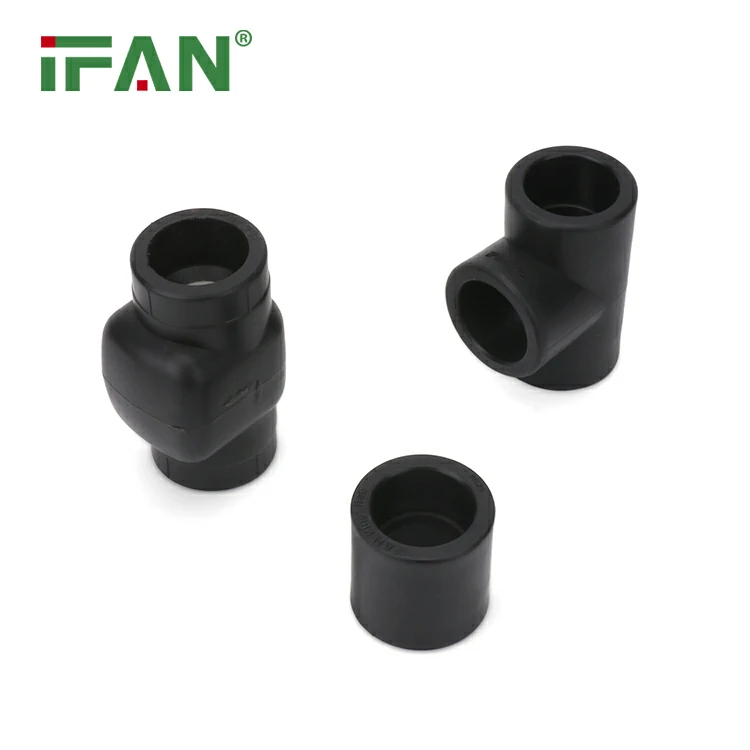
IFAN Water Tube Connector PPR Pipe Fitting
IFAN factory 30+ years manufacture experience support color /size customization support free sample.Welcome to consult for catalog and free samples.This is our Facebook Website:www.facebook.com,Click to watch IFAN's product video.Compared with Tomex products, our IFAN products from quality to price are your best choice, welcome to buy!
1. Introduction: The Importance of Proper Heat Fusion in PPR Systems
Heat fusion welding is the most reliable method for connecting PPR (Polypropylene Random Copolymer) pipe fittings, producing seamless joints that offer long-term durability, high pressure resistance, and zero leakage. However, achieving these benefits requires careful attention to welding techniques and conditions. This article provides essential tips and best practices for performing high-quality heat fusion welds, whether you're working on residential, commercial, or industrial plumbing systems.
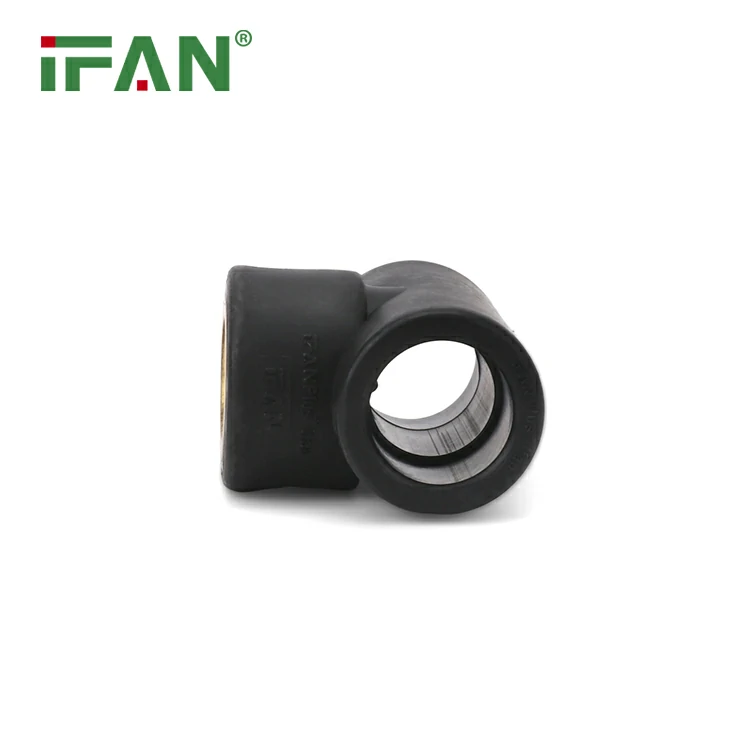
2. Use the Right Tools for the Job
Before starting the welding process, it is critical to use a dedicated PPR welding machine, which includes a heating plate with interchangeable dies to match pipe sizes. Always ensure the equipment is clean, properly calibrated, and functioning at the correct temperature-typically around 260°C (500°F). Using low-quality or incorrectly sized tools can lead to poor bonding, deformation, or even leaks after installation.
3. Prepare Pipe and Fitting Ends Correctly
Cleanliness and preparation are vital for proper heat fusion. Start by cutting the pipe squarely using a pipe cutter. Avoid using saws that can create uneven edges or leave burrs. Then, clean the outer surface of the pipe and the inner surface of the fitting to remove dust, oil, or moisture. Any contamination can compromise the weld, so use a lint-free cloth or alcohol-based cleaner before heating.
4. Follow Recommended Heating and Insertion Times
Each pipe diameter has a specific heating and insertion time based on manufacturer recommendations. For example, a 20mm pipe typically requires 5 seconds of heating and 4 seconds of joining. Avoid overheating, which can cause deformation, or underheating, which results in weak joints. Once heated, quickly insert the pipe into the fitting without twisting, and hold them steady for a few seconds to allow the bond to form.
5. Ensure Proper Alignment and Cooling
After fusion, do not move or stress the joint during the cooling period. Allow it to cool naturally-using water or cold air to speed up the process can cause cracking or reduce strength. Also, ensure the pipe and fitting remain properly aligned during cooling to avoid stress points. Once cooled, inspect the weld visually: a good weld will show a uniform bead around the joint with no visible gaps or burn marks.
6. Perform Quality Checks and Pressure Testing
After completing all joints, conduct pressure testing according to project requirements. This step ensures that the welds hold under actual system conditions. In addition, perform visual inspections to check for signs of poor fusion, such as uneven beads, discoloration, or joint misalignment. Taking the time to test before closing walls or covering piping ensures reliable long-term performance and reduces the risk of future system failures.
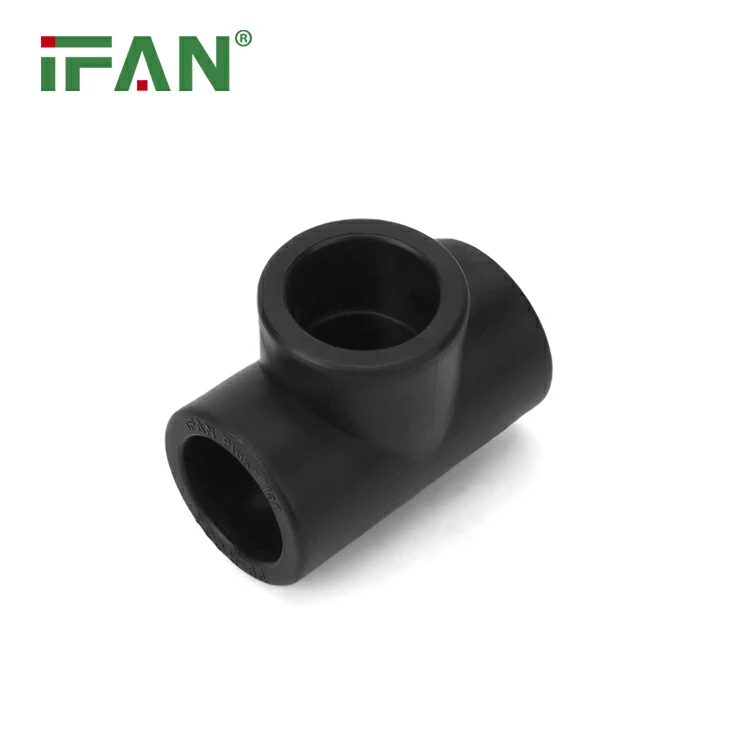
Conclusion
Heat fusion welding is a proven and essential technique for connecting PPR fittings securely and efficiently. By using the right tools, following correct procedures, and observing safety and quality standards, installers can achieve durable, leak-free joints that last for decades. Whether you're a professional plumber or a project manager overseeing installation, mastering heat fusion techniques will contribute significantly to the success and longevity of your PPR piping systems.
Hot Tags: ifan water tube connector ppr pipe fitting, China, suppliers, manufacturers, factory, wholesale, cheap, discount, low price, in stock, free sample, PPR Fitting Tee, PPR Fitting Cap, Pure PPR Fitting, PPR Fitting Elbow, PPR Fitting Female, PPR Fitting Plug
Send Inquiry
