

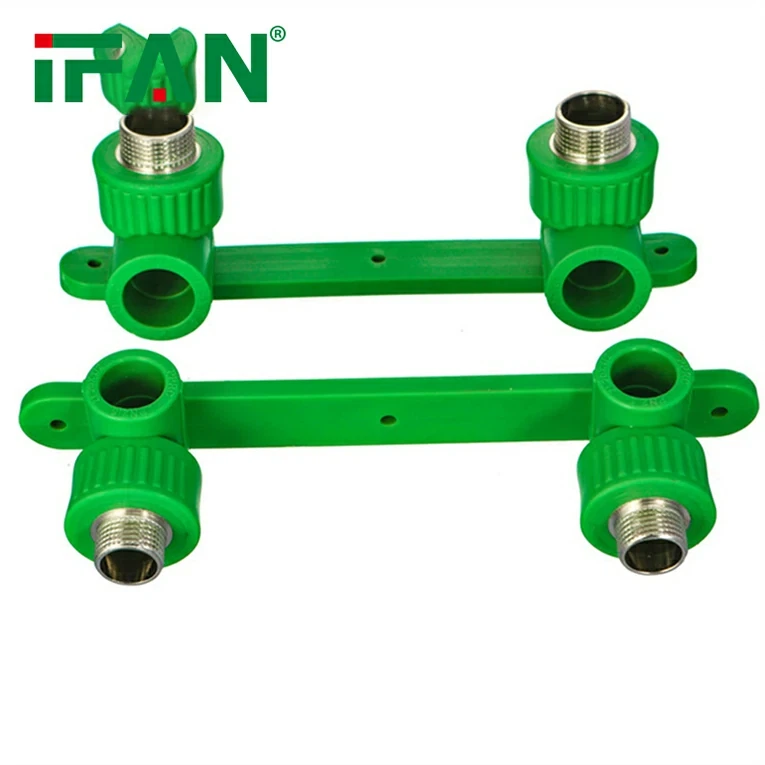
Double Elbow PPR Pipe Fitting
IFAN factory 30+ years manufacture experience support color /size customization support free sample.Welcome to consult for catalog and free samples.This is our Facebook Website:www.facebook.com,Click to watch IFAN's product video.Compared with Tomex products, our IFAN products from quality to price are your best choice, welcome to buy!
Performance Evaluation After Installing PPR Pipe Fittings
Introduction
PPR (Polypropylene Random) pipe fittings are increasingly popular in plumbing and water supply systems due to their corrosion resistance, durability, and ease of installation. However, after installation, it is essential to conduct a comprehensive performance evaluation to ensure that the fittings function optimally, meet the design requirements, and can operate safely and efficiently over the long term. A thorough performance evaluation helps identify any potential issues early, preventing costly repairs and ensuring the reliability of the entire piping system.
Pressure Resistance Testing
Hydrostatic Pressure Testing
Hydrostatic pressure testing is a fundamental method for evaluating the pressure - resistance performance of PPR pipe fittings after installation. This test involves filling the installed piping system with water and then gradually increasing the internal pressure to a specified level, typically 1.5 times the maximum working pressure of the system. The pressure is maintained for a certain period, usually 30 minutes to 1 hour. During this time, any drops in pressure are carefully monitored. A significant pressure drop indicates the presence of leaks, which could be due to improper joint connections, damaged fittings, or cracks in the pipes. For example, if a PPR pipe system is designed to operate at a maximum pressure of 10 bar, the hydrostatic test would involve pressurizing it to 15 bar. Any pressure loss during the test period needs to be investigated immediately to locate and rectify the source of the problem.
Pressure Drop Analysis
In addition to checking for leaks under high pressure, analyzing the pressure drop across the PPR pipe fittings during normal operation is also crucial. Pressure drop refers to the reduction in fluid pressure as it flows through the pipes and fittings. Excessive pressure drop can indicate issues such as improper sizing of fittings, internal roughness, or blockages. By measuring the pressure at the inlet and outlet of the PPR pipe system or at specific sections with fittings, engineers can calculate the pressure drop. If the measured pressure drop exceeds the allowable limits specified by industry standards or design requirements, it may be necessary to adjust the system, replace certain fittings, or clean the pipes to improve the flow efficiency.
Flow Rate and Fluid Distribution Assessment
Flow Rate Measurement
Evaluating the flow rate of water or other fluids through the PPR pipe fittings is an important aspect of performance evaluation. A flow meter can be used to measure the volume of fluid passing through a specific point in the piping system per unit of time. The measured flow rate should be consistent with the design specifications. If the flow rate is significantly lower than expected, it could be due to factors such as undersized fittings, restricted flow paths caused by improper installation, or accumulation of debris inside the pipes. For instance, in a residential plumbing system, if the flow rate at a showerhead is much lower than normal after installing new PPR fittings, it may be necessary to check for blockages in the fittings or pipes and take corrective measures.
Fluid Distribution Evaluation
In systems with multiple outlets, such as in a building's plumbing network, assessing the fluid distribution is essential. Each outlet should receive an appropriate amount of fluid according to the design. Uneven fluid distribution can lead to problems like insufficient water supply at certain points or excessive pressure at others. This can be evaluated by simultaneously measuring the flow rates at all outlets or by observing the performance of fixtures connected to the outlets, such as the strength of water flow from faucets. If uneven distribution is detected, it may be necessary to adjust the size or configuration of the PPR fittings, or check for any obstructions that are affecting the flow.
Sealing Performance Inspection
Visual Inspection for Leaks
A simple but effective way to evaluate the sealing performance of PPR pipe fittings is through visual inspection. After installation and during normal operation, regularly check all joints, connections, and fittings for any signs of leakage, such as water droplets, wet patches, or water stains. Even a small leak can cause significant damage over time, including water damage to the surrounding structures, mold growth, and increased water consumption. If a leak is spotted, it indicates a problem with the sealing of the fitting, which could be due to improper solvent welding, loose compression rings, or damaged gaskets. Prompt repair or replacement of the faulty components is necessary to ensure the integrity of the piping system.
Bubble Test for Joint Sealing
For more accurate assessment of the sealing performance of joints, especially in areas where visual inspection may not be sufficient, a bubble test can be conducted. This involves applying a soapy solution to the joints of the PPR pipe fittings. Then, with the system under pressure, any leaks will cause bubbles to form as the fluid escapes through the gap. This method is particularly useful for detecting small leaks that may not be visible to the naked eye. It helps in identifying and rectifying sealing issues at an early stage, preventing potential failures and ensuring the long - term reliability of the PPR pipe fittings.
Durability and Long - term Performance Prediction
Material Compatibility Assessment
Evaluating the durability of PPR pipe fittings also involves assessing the material compatibility with the fluids they will carry. PPR is generally resistant to many common substances, but in some industrial applications, the fluid may contain chemicals that could potentially react with or degrade the PPR material over time. By analyzing the chemical composition of the fluid and comparing it with the material properties of the PPR fittings, engineers can determine if there is a risk of material degradation. If necessary, protective measures such as using lining materials or selecting more chemically resistant PPR grades can be taken to ensure the long - term durability of the fittings.
Accelerated Aging Tests
To predict the long - term performance of PPR pipe fittings, accelerated aging tests can be carried out. These tests simulate the effects of long - term exposure to factors such as temperature, pressure, and chemical substances in a shorter period. For example, samples of the installed PPR fittings can be subjected to high - temperature and high - pressure conditions for an extended time, and then their physical and mechanical properties can be tested. By analyzing the changes in properties such as strength, flexibility, and dimensional stability, engineers can estimate the service life of the fittings and make informed decisions about maintenance, replacement, or system upgrades.
Documentation and Reporting
Recording Test Results
During the performance evaluation process, it is essential to record all test results accurately. This includes data from pressure resistance testing, flow rate measurements, sealing performance inspections, and any other relevant tests. The records should include details such as the test date, test method used, measured values, and any observations or anomalies. These records serve as valuable references for future evaluations, maintenance, and troubleshooting. They also provide evidence of the compliance of the installed PPR pipe fittings with the design and safety requirements.
Generating Performance Reports
Based on the recorded test results, generate comprehensive performance reports. The reports should summarize the overall performance of the PPR pipe fittings, highlighting any areas of concern and providing recommendations for improvement if necessary. These reports can be used by facility managers, engineers, and other stakeholders to assess the quality of the installation, make decisions about system operation and maintenance, and ensure the continued safe and efficient operation of the PPR pipe system.

Conclusion
A comprehensive performance evaluation after installing PPR pipe fittings is vital for ensuring the reliability, efficiency, and safety of the piping system. Through pressure resistance testing, flow rate assessment, sealing performance inspection, durability evaluation, and proper documentation, potential issues can be identified and addressed promptly. This not only helps in avoiding costly repairs and system failures but also ensures that the PPR pipe fittings meet the required performance standards and can serve their intended purpose effectively over the long term.
Hot Tags: double elbow ppr pipe fitting, China, suppliers, manufacturers, factory, wholesale, cheap, discount, low price, in stock, free sample, PPR Fitting Male Socket, PEX AL PEX Pipe Overlap, Water Plastic PPR Pipe, Brass Valve Bibcock, Aluminum PPR Pipe, Plastic PPR Pipe
Send Inquiry
