
Introduction: The Role of Molecular Stability in Pipeline Reliability
Pipeline systems depend heavily on the long-term stability of the materials used in their components. For plastic piping solutions, molecular stability determines how well the material maintains strength, flexibility, and resistance to environmental stress over extended periods. High-Density Polyethylene (HDPE) pipe fittings are widely used in water supply, gas distribution, and industrial pipelines because their molecular structure offers excellent durability and reliability.
Understanding how the molecular stability of HDPE contributes to its performance helps explain why this material is considered a dependable choice for modern infrastructure projects.
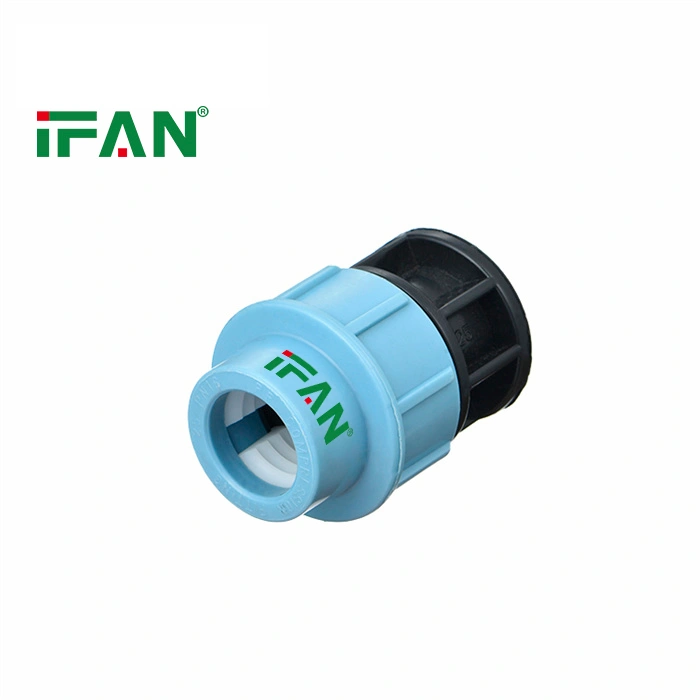
The Molecular Structure of High-Density Polyethylene
HDPE is composed of long chains of polyethylene molecules that are arranged in a relatively linear configuration. Compared with other polyethylene types that contain more branching, HDPE has fewer side branches along its molecular chains. This structural characteristic allows the polymer chains to pack closely together.
The compact packing results in a higher level of crystallinity within the material. Crystalline regions act as strong structural anchors that provide mechanical strength and dimensional stability. At the same time, the remaining amorphous regions maintain a degree of flexibility, allowing the material to absorb external stress without brittle failure.
This balanced molecular arrangement is a key factor behind the long-term stability of HDPE pipe fittings.
Resistance to Chemical Degradation
One of the most important aspects of molecular stability is resistance to chemical attack. Pipeline systems frequently transport water or fluids that may contain dissolved salts, minerals, or industrial chemicals.
The tightly packed molecular structure of HDPE forms a stable barrier against many chemical substances. Because the polymer chains are strongly bonded and non-reactive under typical operating conditions, they resist degradation when exposed to a wide range of chemical environments.
This chemical stability helps HDPE pipe fittings maintain their mechanical integrity and prevents premature weakening of the material.
Long-Term Mechanical Stability Under Pressure
In pressurized pipeline systems, fittings are continuously subjected to internal stress generated by fluid flow. Over time, some materials may experience structural changes that reduce their strength.
HDPE pipe fittings maintain mechanical stability because their crystalline molecular regions provide strong intermolecular bonding. These bonds allow the material to withstand sustained pressure without significant structural breakdown.
In addition, HDPE demonstrates good resistance to slow crack growth. Even when small surface imperfections occur, the molecular network helps limit crack propagation, preserving the overall integrity of the fitting.
Resistance to Environmental Stress and Temperature Variation
Environmental factors such as temperature fluctuations, ultraviolet exposure, and ground movement can influence the stability of polymer materials. HDPE pipe fittings are engineered to maintain molecular integrity under a wide range of environmental conditions.
The polymer's molecular structure allows it to tolerate moderate temperature changes without significant loss of strength. Stabilizing additives used during manufacturing further enhance resistance to oxidation and environmental aging.
As a result, HDPE fittings remain structurally stable in outdoor installations, underground infrastructure, and industrial environments where environmental stress is common.
Manufacturing Processes Supporting Molecular Stability
The stability of HDPE fittings is also influenced by the way the material is processed during manufacturing. Injection molding and extrusion techniques must carefully control temperature, pressure, and cooling rates to ensure uniform crystallization.
Proper process control prevents internal defects such as voids or uneven molecular alignment that could reduce structural strength. Consistent cooling allows the polymer chains to organize into stable crystalline structures throughout the fitting body.
When manufacturing conditions are optimized, the resulting fittings exhibit uniform molecular stability and reliable mechanical performance.
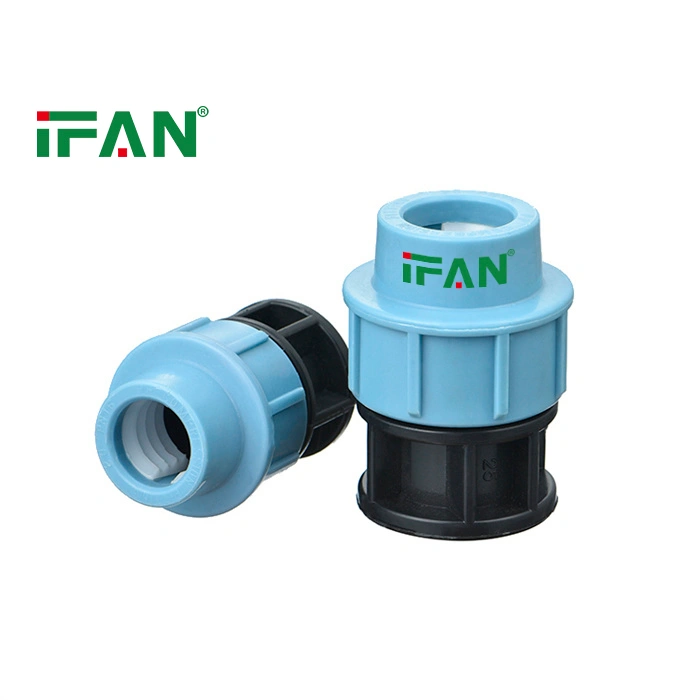
Conclusion: Molecular Engineering for Long-Term Performance
The durability of HDPE pipe fittings is closely linked to the stability of their molecular structure. The linear arrangement of polymer chains, combined with high crystallinity and strong intermolecular bonding, provides the material with excellent strength and resistance to chemical and environmental stress.
Through controlled manufacturing processes and thoughtful material design, HDPE fittings maintain their structural integrity over long periods of use. This molecular stability is one of the fundamental reasons why HDPE has become a trusted material for modern pipeline systems that require dependable and long-lasting performance.