
IFAN factory 30+ years manufacture experience support color /size customization support free sample.Welcome to consult for catalog and free samples.This is our Facebook Website:www.facebook.com,Click to watch IFAN's product video.Compared with Tomex products, our IFAN products from quality to price are your best choice, welcome to buy!
Pressure Testing After Maintaining PPH Pipe Fittings
Introduction
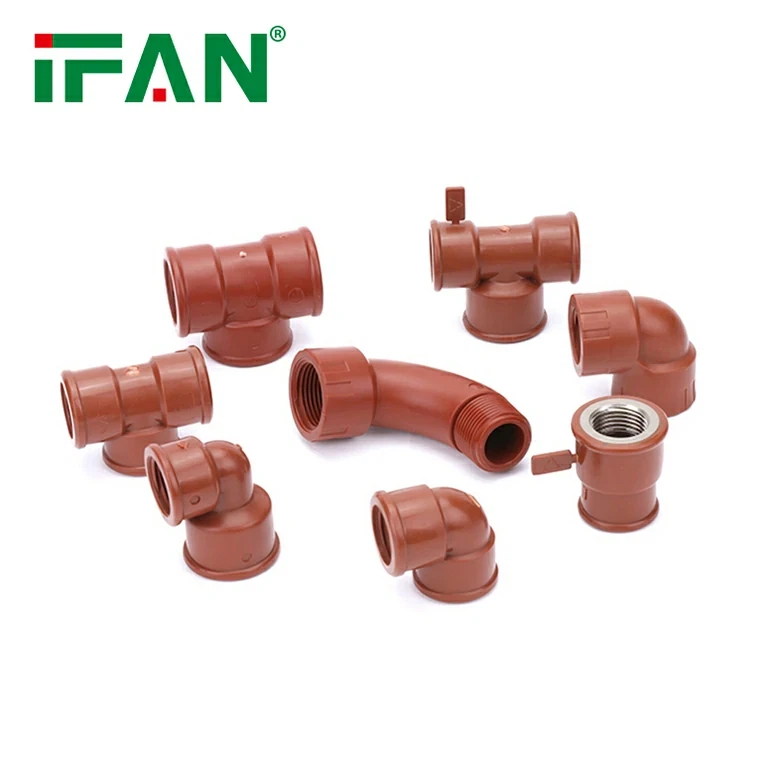
PPH (Polypropylene Random Copolymer) pipe fittings are extensively used in various industries, especially in applications involving the transportation of corrosive fluids, high - temperature liquids, and in systems where chemical resistance is crucial. After maintenance work on PPH pipe fittings, pressure testing becomes an essential step to ensure the integrity and reliability of the pipeline system. This testing helps to identify any potential leaks, weaknesses, or improper installations that may have occurred during the maintenance process.

Importance of Pressure Testing
Ensuring System Integrity
The primary reason for conducting pressure testing after maintaining PPH pipe fittings is to verify the integrity of the entire pipeline system. Maintenance activities, such as replacing damaged fittings, repairing leaks, or reconnecting pipes, can introduce new vulnerabilities. Pressure testing subjects the system to controlled pressure levels, simulating the actual operating conditions. In a chemical plant, for example, where PPH pipes transport highly corrosive chemicals, any undetected leaks or weak points in the fittings could lead to hazardous chemical spills. By performing pressure tests, these potential issues can be identified and rectified before the system is put back into full operation, ensuring the safety of the plant and its workers.
Detecting Installation and Repair Defects
Maintenance work often involves installing new PPH pipe fittings or repairing existing ones. Pressure testing can reveal flaws in the installation process, such as improper welding, loose connections, or incorrect alignment. In a water treatment plant, if a PPH fitting is not welded correctly during maintenance, pressure testing can cause the joint to leak, indicating the need for re - welding. Similarly, if a fitting is not tightened properly, the pressure test will expose the loose connection. Detecting these defects early on helps to prevent costly and time - consuming breakdowns in the future.
Compliance with Standards and Regulations
In many industries, pressure testing of pipeline systems, including those with PPH pipe fittings, is a regulatory requirement. Standards set by organizations such as ASME (American Society of Mechanical Engineers) and ISO (International Organization for Standardization) mandate the performance of pressure tests to ensure the safety and reliability of fluid - handling systems. In the pharmaceutical industry, for instance, strict compliance with these standards is necessary to meet Good Manufacturing Practice (GMP) requirements. By conducting pressure tests after maintenance, companies can demonstrate their compliance with these regulations, avoiding potential fines and legal issues.
Pre - Testing Preparation
System Isolation
Before starting the pressure test, the pipeline system with the maintained PPH pipe fittings needs to be isolated. This involves closing off valves that connect the test section to other parts of the system to prevent fluid from flowing in or out. In a large - scale industrial complex, isolating the specific section with the maintained fittings ensures that the pressure test is focused on the relevant area. It also protects other parts of the system from the higher pressures used during the test, preventing any potential damage.
Pressure Test Equipment Selection
Choosing the right pressure test equipment is crucial. A reliable pressure - generating device, such as a hand - operated or motor - driven pump, is required to increase the pressure within the system. Pressure gauges with appropriate ranges and accuracy levels must be installed at key points in the test section to monitor the pressure. In a high - pressure application, a digital pressure gauge with a high - resolution display may be preferred for more accurate readings. Additionally, safety valves should be installed to prevent over - pressurization of the system in case of equipment malfunction.
Fluid Selection
The choice of fluid for pressure testing depends on the nature of the pipeline system and the PPH pipe fittings. In most cases, water is a common choice as it is readily available, non - flammable, and relatively inert. However, in systems where the PPH fittings are designed to handle specific chemicals, a fluid that mimics the actual operating fluid may be used. For example, in a system that transports acidic solutions, a diluted acidic solution may be used for pressure testing to ensure the compatibility of the fittings under similar chemical conditions.
Pressure Testing Procedure
Initial Pressure Build - up
The pressure testing process begins with a slow and controlled initial pressure build - up. The pressure - generating device is activated, and the pressure is gradually increased in small increments. This slow increase allows the PPH pipe fittings and the entire system to adjust to the rising pressure. In a pipeline system with long runs of PPH pipes, a rapid pressure increase could cause water hammer effects, which can damage the fittings. The pressure is typically increased to a pre - determined test pressure, which is usually a percentage higher than the normal operating pressure of the system.
Holding Period
Once the test pressure is reached, the pressure is held constant for a specific period, usually ranging from 10 to 30 minutes. During this holding period, the system is carefully monitored for any signs of leakage. Visual inspection is carried out around the PPH pipe fittings, joints, and connections. If there are any leaks, they will be indicated by the presence of fluid seepage or the formation of bubbles if a leak - detection solution is applied. In a large - scale pipeline network, remote monitoring devices may be used to detect leaks in hard - to - reach areas.
Pressure Decay Analysis
After the holding period, the pressure is gradually released. A pressure decay analysis is then performed to determine if there has been any significant loss of pressure during the test. If the pressure decay exceeds the acceptable limits, it may indicate the presence of undetected leaks or weaknesses in the PPH pipe fittings. In such cases, further investigation, such as more detailed visual inspections or non - destructive testing methods, may be required to identify and address the issues.
Test Result Evaluation
Pass or Fail Criteria
Based on the results of the pressure test, the system is classified as either passing or failing. If there are no visible leaks during the holding period, and the pressure decay is within the acceptable range, the system passes the test. This indicates that the maintenance work on the PPH pipe fittings has been successful, and the system is ready for normal operation. However, if leaks are detected or the pressure decay is excessive, the system fails the test. In this case, the maintenance team needs to identify the source of the problem, which could be a faulty fitting, a poor - quality weld, or an incorrect installation, and take appropriate corrective actions.
Documentation
Detailed documentation of the pressure test results is essential. This includes recording the test pressure, the holding time, the pressure decay data, and any observations of leaks or other issues. In a large industrial project, this documentation serves as a record of the system's integrity and can be used for future reference, such as during regular maintenance checks or in case of any disputes regarding the quality of the maintenance work. The documentation also helps in demonstrating compliance with industry standards and regulations.
Safety Considerations
Personnel Protection
During the pressure testing process, safety of the personnel involved is of utmost importance. Workers should wear appropriate personal protective equipment (PPE), including safety glasses, gloves, and protective clothing. In case of a sudden release of pressure or a leak, PPE can protect against potential injuries from flying debris or contact with the testing fluid. Additionally, safety barriers should be set up around the test area to prevent unauthorized access.
Emergency Response Plan
An emergency response plan should be in place before starting the pressure test. This plan should outline the steps to be taken in case of equipment failure, over - pressurization, or any other emergency situation. For example, in the event of a sudden pressure increase beyond the safe limits, the emergency response plan should detail how to quickly release the pressure and shut down the testing equipment. The plan should also include procedures for handling any leaks or spills, such as the use of absorbent materials and proper disposal methods.
Conclusion
Pressure testing after maintaining PPH pipe fittings is an integral part of ensuring the safe and reliable operation of pipeline systems. By understanding the importance of pressure testing, properly preparing for the test, following the correct procedure, evaluating the results, and prioritizing safety, industries can effectively identify and address any issues with the maintained PPH pipe fittings. This not only helps in preventing costly breakdowns and potential hazards but also ensures compliance with industry standards and regulations.