
IFAN factory 30+ years manufacture experience support color /size customization support free sample.Welcome to consult for catalog and free samples.This is our Facebook Website:www.facebook.com,Click to watch IFAN's product video.Compared with Tomex products, our IFAN products from quality to price are your best choice, welcome to buy!
Introduction: The Role of Pipe Color in Irrigation Systems
In irrigation networks and water supply systems, pipe color is more than just a visual preference. The external color of a pipe plays a significant role in how much heat it absorbs from sunlight and how this affects the temperature of the water inside. Understanding the relationship between pipe color, heat absorption, and water temperature helps engineers and farmers design more efficient systems, protect crops, and maintain consistent water quality.
Heat Absorption and Solar Radiation
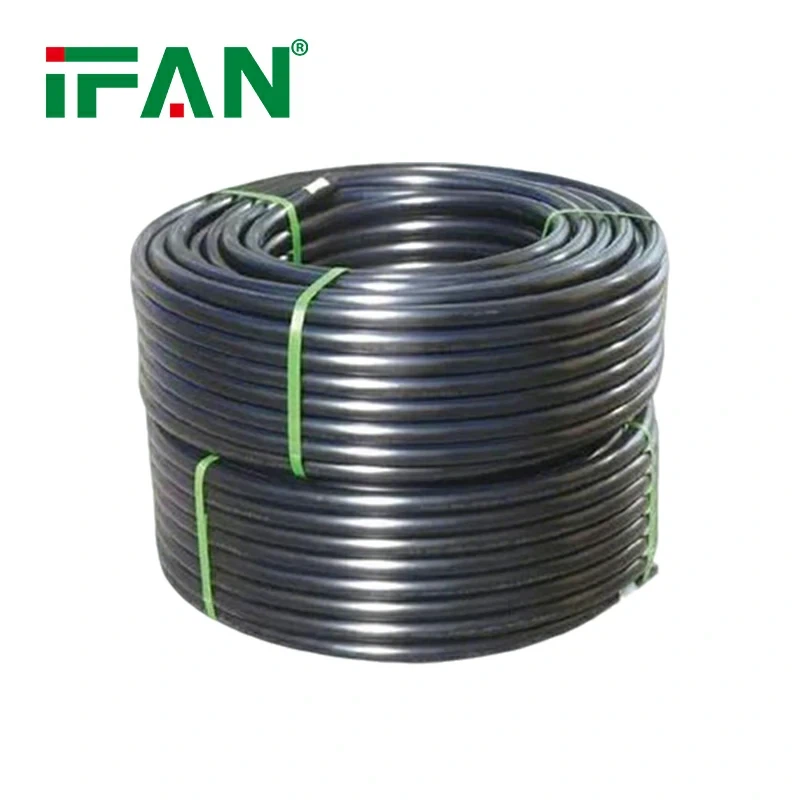
Different colors absorb and reflect solar energy at varying rates. Dark-colored pipes, such as black or deep blue, absorb a higher amount of sunlight and therefore gain heat more quickly. Light-colored pipes, such as white or light gray, reflect more solar radiation, keeping their surfaces and the water inside cooler. The basic principle of heat transfer-where darker surfaces convert more solar energy into heat-means that pipe color directly impacts the thermal balance of an irrigation system.
Effect on Water Temperature and Irrigation Efficiency
When pipes absorb more heat, the water inside can experience a measurable rise in temperature, especially during hot summer months. Warmer water can influence plant growth, as certain crops are sensitive to irrigation water temperatures. For example, cooler water helps maintain root-zone stability and oxygen levels, while excessively warm water can stress plants and reduce nutrient uptake. In greenhouse or high-temperature climates, selecting lighter pipe colors can help stabilize irrigation water temperatures and improve overall crop health.
Material Considerations and Long-Term Durability
The impact of pipe color goes beyond temperature control; it also influences material longevity. Dark-colored pipes, while absorbing more heat, may face higher thermal expansion and contraction, which can increase stress on joints and fittings over time. Conversely, light-colored pipes may resist thermal stress but could be more susceptible to algae growth if they allow light penetration. Manufacturers often add UV stabilizers to pipes of all colors to prevent material degradation from ultraviolet radiation, ensuring long-term performance regardless of color choice.
Application-Specific Color Selection
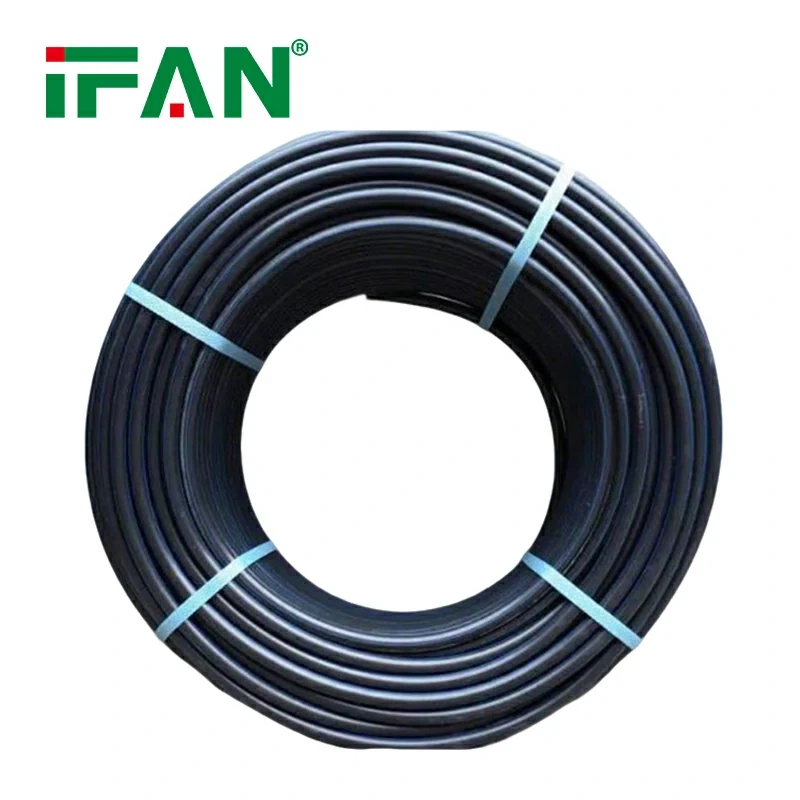
Choosing the appropriate pipe color depends on environmental conditions and system requirements. In cold climates, darker pipes can be advantageous by slightly warming water and preventing freezing. In contrast, in hot and sunny regions, lighter pipes help keep water cool and protect crops from heat stress. For drinking water or aquaculture systems, color selection also aids in distinguishing pipe functions-blue for potable water, green for sewage, or black for recycled water-while simultaneously optimizing thermal performance.
Conclusion: Balancing Aesthetics and Functionality
The color of a pipe is a critical design factor that directly affects heat absorption and water temperature. By carefully selecting pipe color based on climate, crop requirements, and system application, engineers and farmers can improve irrigation efficiency, protect plant health, and extend the service life of their piping networks. Whether using dark pipes to harness solar warmth in winter or light pipes to keep water cool in summer, thoughtful color selection ensures a stable and reliable water supply system.