
IFAN factory 30+ years manufacture experience support color /size customization support free sample.Welcome to consult for catalog and free samples.This is our Facebook Website:www.facebook.com,Click to watch IFAN's product video.Compared with Tomex products, our IFAN products from quality to price are your best choice, welcome to buy!
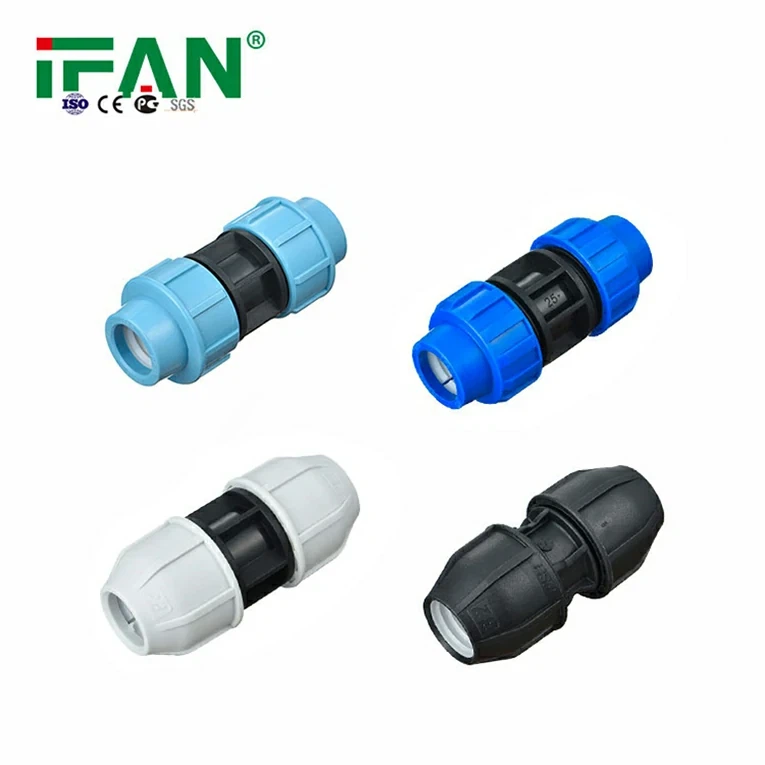
High-Density Polyethylene (HDPE) pipe fittings are widely used in water distribution systems, industrial pipelines, and municipal infrastructure due to their durability, flexibility, and resistance to corrosion. While HDPE is generally resistant to many environmental factors, the chemistry of the water flowing through these systems can influence the performance and longevity of the fittings. Understanding the interaction between water chemistry and HDPE is essential for engineers, contractors, and maintenance teams to ensure safe, reliable, and long-lasting piping systems.
1. General Resistance of HDPE to Water Chemistry
HDPE is inherently resistant to a wide range of chemical substances, which makes it suitable for potable water, wastewater, and industrial fluids. Its non-reactive nature prevents corrosion, scaling, and rusting-common problems in metal piping systems. Unlike metal or concrete, HDPE does not release contaminants into the water and maintains structural integrity under normal operating conditions. This makes HDPE an attractive choice for systems where water quality and material longevity are critical.
2. Effects of pH Levels
The pH level of water can impact the long-term performance of HDPE fittings. While HDPE is resistant to mildly acidic and alkaline solutions, extremely low or high pH values over prolonged periods may affect the polymer's structural integrity. For instance, water with a pH below 4 or above 11 can accelerate stress cracking under pressure. Engineers must evaluate water chemistry and consider using HDPE grades specifically designed for extreme pH conditions to ensure safe operation in industrial or chemical environments.
3. Influence of Chlorine and Disinfectants
Chlorine and other disinfectants used in municipal water systems can interact with HDPE pipe fittings. Standard HDPE has good resistance to chlorine at typical concentration levels, but high concentrations or elevated temperatures can gradually reduce the material's toughness and increase brittleness over time. Using HDPE formulations with enhanced chlorine resistance or implementing proper system design-such as maintaining lower temperatures and flow rates-helps extend the service life of fittings while maintaining water safety.
4. Hardness, Minerals, and Scaling
Water hardness, caused by calcium, magnesium, and other minerals, generally has minimal effect on HDPE fittings because the polymer surface is smooth and non-porous. This reduces the likelihood of scaling or deposit formation compared to metal pipes. However, in systems where scaling is significant, careful monitoring of flow rates and routine maintenance may still be necessary to prevent operational inefficiencies. HDPE's resistance to mineral deposits is particularly advantageous in irrigation, municipal, and industrial water systems.
5. Temperature Interactions with Water Chemistry
Temperature amplifies the effects of water chemistry on HDPE pipe fittings. Hot water can accelerate chemical reactions, stress cracking, and material degradation, especially in the presence of chlorine, extreme pH, or certain industrial chemicals. Therefore, high-temperature systems require HDPE fittings rated for elevated temperatures, such as PE4710 or PE100, to maintain performance under combined chemical and thermal stress. Proper insulation and adherence to manufacturer guidelines further protect the fittings from chemical-thermal interactions.
6. Best Practices for Maintaining HDPE Fittings
To ensure long-term reliability in varying water chemistries, several best practices are recommended:
Water Analysis: Regularly test water for pH, chlorine concentration, hardness, and chemical contaminants.
Material Selection: Choose HDPE grades formulated for specific water conditions, such as high-chlorine or extreme-pH environments.
Installation Standards: Follow proper fusion, alignment, and support procedures to minimize stress on fittings.
Routine Monitoring: Inspect systems periodically for leaks, discoloration, or unusual flow behavior that may indicate chemical interaction.
By combining material selection with careful system design and monitoring, the impact of water chemistry on HDPE fittings can be effectively managed.
Conclusion: Ensuring HDPE Performance Amid Varying Water Chemistry
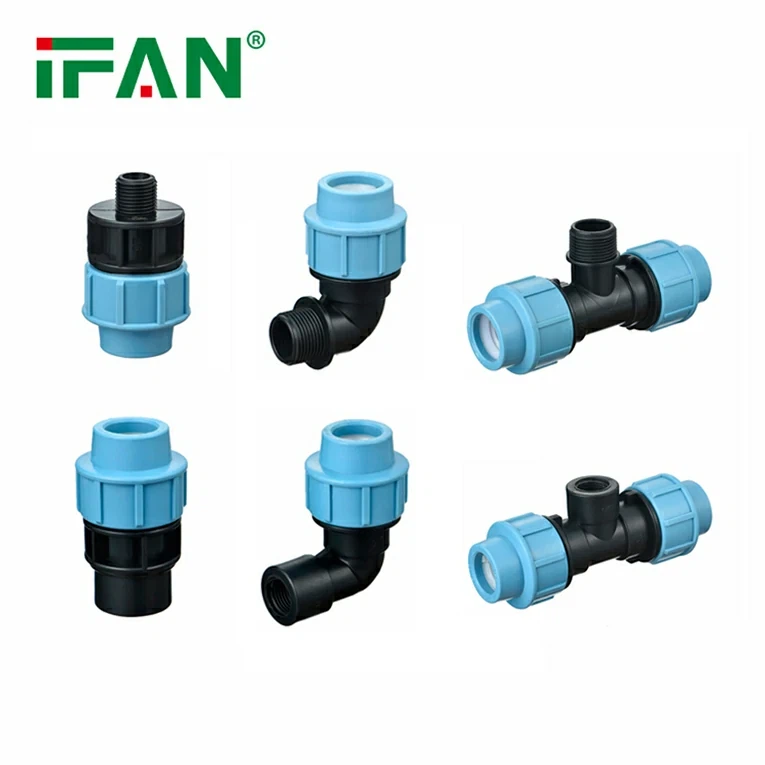
HDPE pipe fittings provide excellent resistance to most water chemistries, including mildly acidic or alkaline water, disinfectants, and minerals. However, extreme pH, high chlorine levels, and elevated temperatures can influence long-term performance. By understanding these factors and implementing appropriate material selection, installation practices, and monitoring strategies, engineers and contractors can ensure reliable, leak-free HDPE systems. Properly managed, HDPE fittings continue to offer durability, chemical resistance, and cost-effective performance for municipal, industrial, and commercial water networks.