
How HDPE Pipe Fittings Maintain Stability in Harsh Environments
Introduction: Pipeline Challenges in Harsh Conditions
Pipeline systems often operate in environments that present significant challenges to material performance. Extreme temperatures, chemical exposure, soil pressure, moisture, and mechanical stress can all affect the durability and stability of pipeline components. In such demanding conditions, selecting materials that can maintain long-term reliability is essential for ensuring safe and efficient system operation.
High-Density Polyethylene (HDPE) pipe fittings are widely used in infrastructure, industrial, and agricultural applications because of their ability to perform well under harsh environmental conditions. Their unique material properties and structural design allow them to maintain stability even when exposed to demanding operational environments.
Strong Polymer Structure for Long-Term Durability
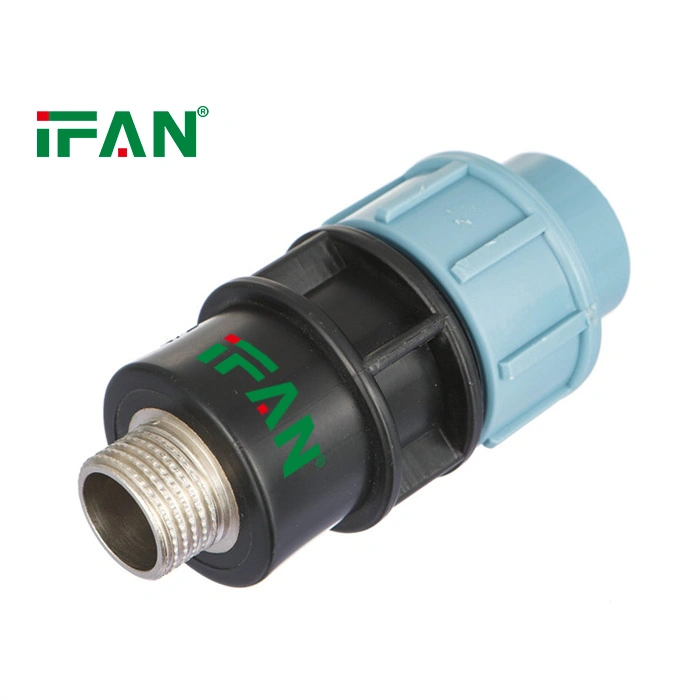
One of the primary reasons HDPE pipe fittings perform well in harsh environments is the strength of their polymer structure. HDPE is composed of tightly packed molecular chains that create a highly stable material with excellent mechanical strength and durability.
This dense molecular arrangement allows HDPE fittings to resist structural degradation when exposed to external stress or environmental factors. Unlike some materials that become brittle over time, HDPE maintains a balance between strength and flexibility, helping it endure long-term service conditions.
Resistance to Chemical Exposure
Harsh environments often involve exposure to various chemicals, including acids, alkalis, and dissolved minerals. These substances can cause corrosion or degradation in many traditional pipeline materials.
HDPE pipe fittings provide strong resistance to chemical interaction because polyethylene is a chemically stable polymer. The carbon-hydrogen bonds in the material are not easily affected by many industrial chemicals or naturally occurring substances.
This chemical resistance allows HDPE fittings to maintain their structural integrity in environments such as wastewater systems, chemical processing facilities, and agricultural applications.
Flexibility to Withstand Mechanical Stress
Mechanical stress is another common challenge in harsh environments. Pipelines may experience ground movement, vibration, or external pressure from soil and traffic loads. Materials that are too rigid may crack when subjected to these forces.
HDPE pipe fittings have a natural flexibility that allows them to absorb and distribute mechanical stress more effectively. This flexibility helps prevent sudden structural failure and allows the fittings to adapt to minor ground movement or pressure changes.
By accommodating stress rather than resisting it rigidly, HDPE fittings maintain stable performance in demanding conditions.
Resistance to Moisture and Environmental Factors
Moisture exposure is a major factor in many harsh environments, especially in underground or outdoor installations. Materials that absorb water or corrode in humid conditions may gradually weaken over time.
HDPE pipe fittings have extremely low water absorption and excellent resistance to moisture-related degradation. The dense polymer structure prevents water molecules from penetrating the material, allowing the fittings to maintain their mechanical properties even in wet environments.
Additionally, HDPE fittings can resist environmental factors such as soil chemicals and biological activity that may affect other materials.
Reliable Fusion Connections for System Stability
Another factor that contributes to the stability of HDPE pipe fittings is the strength of their joining methods. Pipes and fittings are typically connected using fusion techniques that melt and bond the polyethylene surfaces together.
This process creates a continuous and homogeneous structure between the pipe and fitting, eliminating weak points that may occur in mechanical connections. The resulting joints are highly resistant to leakage and can withstand environmental stress without separating.
Strong fusion connections ensure that the entire pipeline system maintains stability even in demanding operating environments.
Conclusion: Durable Performance in Demanding Applications
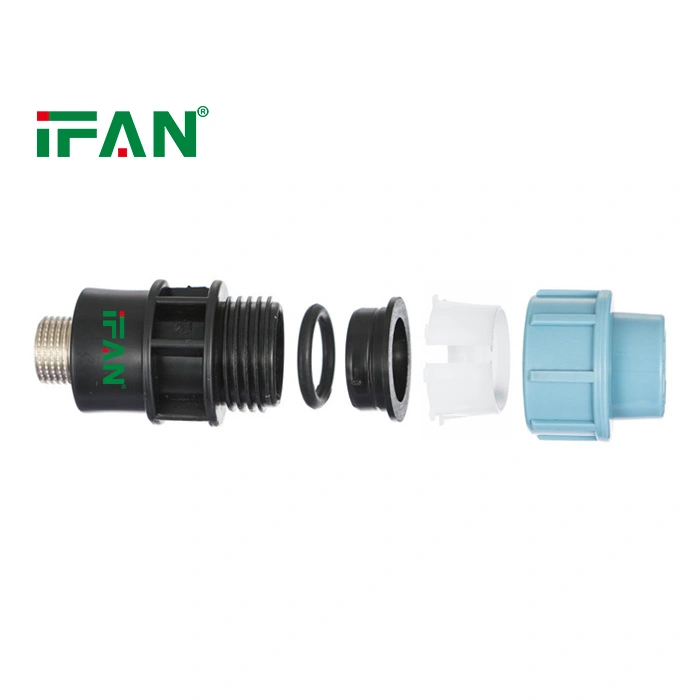
HDPE pipe fittings maintain stability in harsh environments through a combination of strong polymer structure, chemical resistance, flexibility, and resistance to moisture and environmental exposure. These properties allow them to withstand challenging operating conditions without losing structural integrity or performance reliability.
When combined with strong fusion connections and proper installation practices, HDPE pipe fittings provide a dependable solution for pipelines operating in demanding environments such as industrial systems, underground infrastructure, and agricultural networks. Their ability to maintain stability under stress makes them an important component of modern pipeline technology.