
Creep Rupture Testing and Its Importance for HDPE Pipe Fittings
Introduction: Long-Term Performance Under Continuous Stress
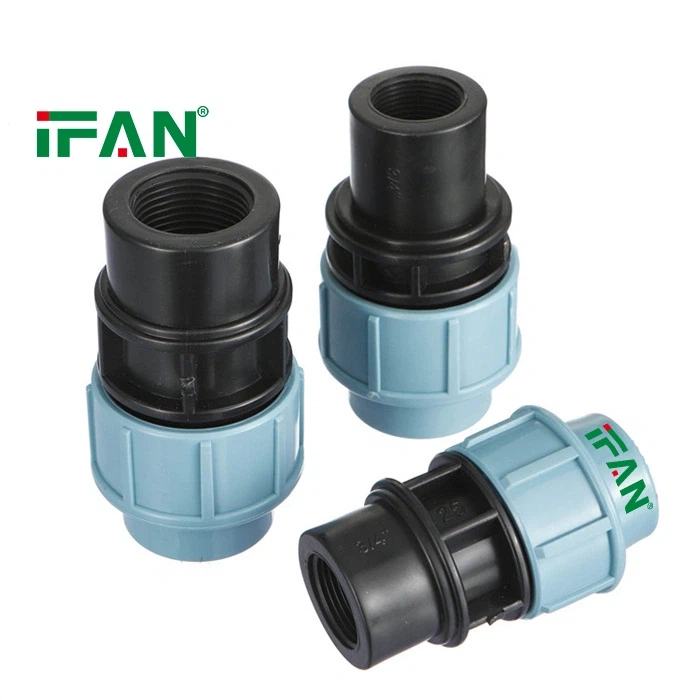
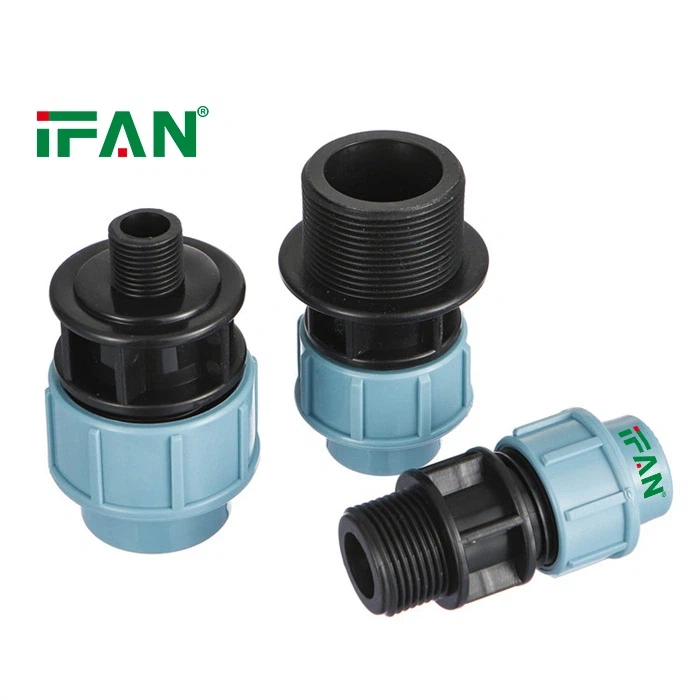
High-Density Polyethylene (HDPE) pipe fittings are widely used in water supply, gas distribution, and industrial pipeline systems due to their durability and flexibility. However, unlike some rigid materials, HDPE exhibits time-dependent deformation when subjected to continuous stress.
This behavior, known as creep, can gradually affect the structural integrity of pipe fittings over long service periods. To evaluate this characteristic, creep rupture testing is conducted. This testing method is essential for predicting long-term performance and ensuring that HDPE pipe fittings can operate safely under sustained pressure conditions.
Understanding Creep Behavior in HDPE Materials
Creep refers to the slow, continuous deformation of a material under constant load or stress over time. In HDPE pipe fittings, this typically occurs when the material is exposed to internal pressure for extended periods.
At the molecular level, the polymer chains gradually rearrange under stress, leading to slight dimensional changes. While this deformation may initially be minimal, it can accumulate over time, especially under higher temperatures or stress levels.
If the stress persists long enough, the material may eventually reach a rupture point, resulting in failure. Understanding this behavior is crucial for designing reliable pipeline systems.
What Is Creep Rupture Testing?
Creep rupture testing is a method used to determine how long a material can withstand a constant load before failure occurs. In this test, HDPE samples are subjected to controlled internal pressure or tensile stress at specific temperatures for extended durations.
The test records the time it takes for the material to rupture under these conditions. By repeating the test at different stress levels, a relationship between stress and time-to-failure can be established.
These results are often plotted on logarithmic graphs, allowing engineers to predict the long-term performance of HDPE pipe fittings over decades of service.
Key Testing Parameters and Conditions
Several factors influence the results of creep rupture testing. Important parameters include applied stress level, temperature, and duration of exposure.
Higher temperatures typically accelerate molecular movement, leading to faster creep deformation and shorter rupture times. Similarly, higher stress levels increase the rate at which the material approaches failure.
By carefully controlling these variables, testing can simulate real operating conditions and provide accurate predictions of material behavior in different environments.
Interpreting Test Data for Design Applications
The data obtained from creep rupture testing is used to establish long-term strength ratings for HDPE materials. Engineers use this information to determine safe operating pressure limits and design parameters for pipeline systems.
For example, a material's long-term hydrostatic strength can be derived from creep rupture data, ensuring that the pipe fittings can withstand internal pressure over their intended service life.
This approach allows for the creation of safety factors and performance standards that guide product selection and system design.
Importance for Quality Control and Material Selection
Creep rupture testing is not only important for design but also for quality control during manufacturing. It helps verify that the material used in HDPE pipe fittings meets required performance standards.
Different HDPE resins may exhibit varying resistance to creep, depending on their molecular structure and processing conditions. Testing allows manufacturers to compare materials and select those with superior long-term performance characteristics.
Consistent testing ensures that finished products deliver reliable performance in real-world applications.
Practical Impact on Pipeline Reliability
The results of creep rupture testing have direct implications for pipeline reliability. By understanding how HDPE pipe fittings behave under long-term stress, engineers can design systems that minimize the risk of failure.
Proper material selection, combined with accurate pressure ratings, ensures that fittings operate within safe limits throughout their service life. This reduces the likelihood of deformation, leakage, or rupture under continuous use.
In critical infrastructure systems, such reliability is essential for maintaining safe and efficient operation.
Conclusion: Supporting Long-Term Durability Through Testing
Creep rupture testing plays a vital role in evaluating the long-term performance of HDPE pipe fittings. By analyzing how materials respond to sustained stress over time, this testing method provides valuable insights for design, material selection, and quality assurance.
Through careful interpretation of test data and proper application in system design, HDPE pipe fittings can achieve reliable performance over decades of operation. This makes creep rupture testing a fundamental tool in ensuring the durability and safety of modern pipeline systems.