
IFAN factory 30+ years manufacture experience support color /size customization support free sample.Welcome to consult for catalog and free samples.This is our Facebook Website:www.facebook.com,Click to watch IFAN's product video.Compared with Tomex products, our IFAN products from quality to price are your best choice, welcome to buy!
Anti - corrosion Coatings and Surface Treatments of Brass PEX Fittings
1. Introduction to Anti - corrosion for Brass PEX Fittings
The Need for Protection
Brass PEX (Cross - linked Polyethylene) fittings are widely used in plumbing and heating systems due to their excellent mechanical properties, such as high strength and good workability, and their relatively good corrosion resistance. However, in certain environments, the inherent corrosion resistance of brass may not be sufficient. Aggressive chemicals in the water, high humidity, or contact with other metals can accelerate the corrosion process. Anti - corrosion coatings and surface treatments play a crucial role in enhancing the durability of brass PEX fittings, ensuring the long - term integrity of the plumbing and heating systems they are part of. These treatments not only protect the fittings from corrosion but also contribute to maintaining the efficiency of the systems by preventing leaks and blockages.
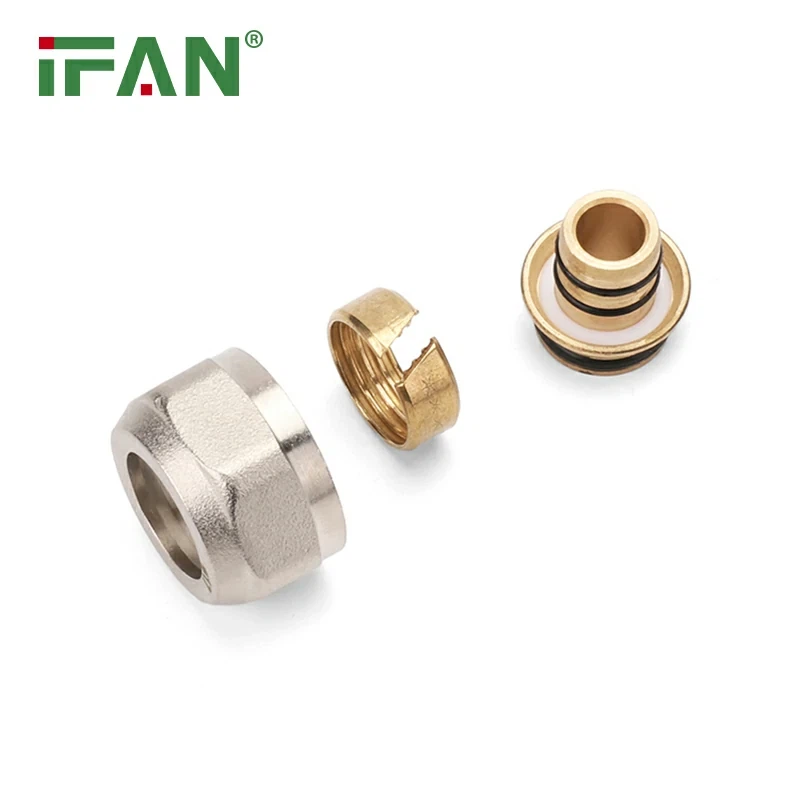
2. Types of Anti - corrosion Coatings for Brass PEX Fittings
Epoxy Coatings
Epoxy coatings are a popular choice for brass PEX fittings. Epoxy resins are known for their excellent adhesion to brass surfaces. When applied, they form a continuous, hard - wearing film that acts as a physical barrier against corrosive substances. Epoxy coatings can resist a wide range of chemicals, including acids, alkalis, and salts, which are commonly found in water or other fluids flowing through the pipes. In addition, they have good abrasion resistance, which is important as the fittings may be subject to mechanical stress during installation and use. For example, in industrial plumbing systems where the fluid may contain abrasive particles, an epoxy - coated brass PEX fitting can withstand the wear and tear better, maintaining its anti - corrosion properties over time.
Zinc - based Coatings
Zinc - based coatings, such as galvanized coatings, offer a unique form of protection for brass PEX fittings. Zinc is more electrochemically active than brass. When a zinc - coated brass fitting is exposed to a corrosive environment, the zinc acts as a sacrificial anode. In the event of a breach in the coating, the zinc will corrode preferentially, protecting the underlying brass. This sacrificial protection mechanism is highly effective in preventing corrosion, especially in outdoor applications or in systems where the water has a high salt content. Galvanized coatings can be applied through hot - dip galvanizing or electro - galvanizing processes, each with its own advantages in terms of coating thickness, uniformity, and cost - effectiveness.
Polyurethane Coatings
Polyurethane coatings are valued for their high - gloss finish and good chemical resistance. They can provide excellent protection against environmental factors such as moisture, sunlight, and certain chemicals. Polyurethane coatings are often used in applications where the appearance of the brass PEX fittings is also important, such as in decorative plumbing fixtures. The coating not only protects the fitting from corrosion but also gives it an aesthetically pleasing look. Additionally, polyurethane coatings have good weathering resistance, making them suitable for both indoor and outdoor use. They can maintain their integrity and appearance for long periods, reducing the need for frequent recoating.
3. Surface Treatments for Brass PEX Fittings
Passivation
Passivation is a chemical treatment process that aims to enhance the natural corrosion resistance of brass. During passivation, the brass fitting is immersed in a solution containing chemicals such as nitric acid or chromic acid. These chemicals react with the surface of the brass to form a thin, stable oxide layer. This oxide layer is more resistant to corrosion compared to the untreated brass surface. Passivation is particularly effective in preventing the formation of tarnish and discoloration on the brass surface. It also helps in reducing the likelihood of pitting corrosion, which can occur when the brass is exposed to certain aggressive chemicals. In plumbing systems where the water quality may vary, passivation can provide an additional layer of protection for the brass PEX fittings.
Polishing
Polishing is a mechanical surface treatment that not only improves the appearance of brass PEX fittings but also has some anti - corrosion benefits. By removing surface irregularities, polishing creates a smoother surface. A smooth surface is less likely to trap moisture and corrosive substances, reducing the chances of corrosion initiation. In addition, polishing can enhance the reflectivity of the brass surface, which may be desirable in certain applications. However, it's important to note that polishing alone may not provide long - term corrosion protection. It is often used in combination with other anti - corrosion treatments, such as coatings, to achieve comprehensive protection.
4. Selection of Anti - corrosion Coatings and Surface Treatments
Considering the Application Environment
The choice of anti - corrosion coatings and surface treatments for brass PEX fittings depends on the specific application environment. In a residential plumbing system with relatively clean water, a simple passivation treatment may be sufficient to protect the fittings. However, in an industrial setting where the fluid may contain high levels of corrosive chemicals, a more robust epoxy coating may be required. If the fittings are used in outdoor applications, coatings with good weathering resistance, such as polyurethane or zinc - based coatings, should be considered. The temperature and pressure of the system also play a role. High - temperature applications may require coatings and treatments that can withstand thermal stress without degrading.
Cost - effectiveness and Long - term Performance
Cost - effectiveness is another important factor in the selection process. While some high - performance coatings may offer excellent corrosion protection, they may also come with a higher price tag. Installers and system designers need to balance the initial cost of the coating or treatment with the expected long - term performance of the fittings. A more expensive coating may be a better investment if it can significantly extend the lifespan of the fittings and reduce the need for frequent replacements. Additionally, the ease of application and maintenance of the coating or treatment should be considered. Some coatings may require specialized equipment or techniques for application, which can add to the overall cost.
5. Application and Maintenance of Anti - corrosion Measures
Proper Application Techniques
The effectiveness of anti - corrosion coatings and surface treatments depends on proper application. For coatings, the surface of the brass PEX fitting must be thoroughly cleaned and pre - treated before application. This may involve degreasing, sandblasting, or chemical etching to ensure good adhesion of the coating. The coating should be applied evenly, following the manufacturer's instructions regarding thickness, drying time, and curing conditions. In the case of surface treatments like passivation, the process parameters, such as the concentration of the treatment solution and the immersion time, need to be carefully controlled. Improper application can lead to uneven coatings or ineffective treatments, reducing the anti - corrosion performance.
Maintenance for Long - term Protection
Regular maintenance is essential to ensure the long - term effectiveness of anti - corrosion measures. Visual inspections should be carried out periodically to check for signs of coating damage, such as cracks, peeling, or discoloration. If any damage is detected, the affected area should be repaired or recoated as soon as possible. In the case of passivated fittings, the integrity of the passivation layer can be monitored through simple tests, such as the copper sulfate test. Additionally, maintaining the water quality in the plumbing or heating system can also help in preserving the anti - corrosion properties of the fittings. For example, controlling the pH and the level of corrosive substances in the water can prevent premature corrosion of the coated or treated fittings.
In conclusion, anti - corrosion coatings and surface treatments are essential for enhancing the performance and longevity of brass PEX fittings. By understanding the different types of coatings and treatments available, considering the application environment, and ensuring proper application and maintenance, the corrosion resistance of brass PEX fittings can be significantly improved, safeguarding the reliability of plumbing and heating systems.

IFAN PEX Pipe Fittings: Engineered for Global Compliance and Reliability
IFAN PEX pipe fittings are meticulously crafted to meet and exceed diverse international standards, ensuring exceptional quality and versatility. Alongside compliance with the ASTM F1974 series, these fittings are also certified under ASTM F1281, CSA B137, DIN 16836, GB 18997, ISO 21003, ISO 15875, GB/T 18992, DIN 16892, ASTM F877, ASTM F2788, BS 7291, and BS EN ISO 15875 standards. This extensive range of certifications reflects their adaptability, durability, and suitability for varied applications, making IFAN PEX pipe fittings a trusted choice for both residential and industrial piping systems.