

White Color PPR Fitting Design
IFAN factory 30+ years manufacture experience support color /size customization support free sample.Welcome to consult for catalog and free samples.This is our Facebook Website:www.facebook.com,Click to watch IFAN's product video.Compared with Tomex products, our IFAN products from quality to price are your best choice, welcome to buy!
Scientific Research and Practical Cases of the Corrosion Resistance of PPR Pipe Fittings
1. Introduction: The Significance of PPR Pipe Fittings' Corrosion Resistance
In modern plumbing and fluid - transportation systems, PPR (Random Copolymer Polypropylene) pipe fittings have become increasingly prevalent. Their corrosion resistance is a property that not only ensures the long - term functionality of the systems but also plays a crucial role in maintaining the quality of the conveyed fluids. Whether it's potable water supply in residential areas, chemical - based fluid transfer in industrial settings, or heating - cooling systems in commercial buildings, the ability of PPR pipe fittings to resist corrosion is of utmost importance. Understanding this property through scientific research and real - world practical cases can provide valuable insights for engineers, installers, and system designers.
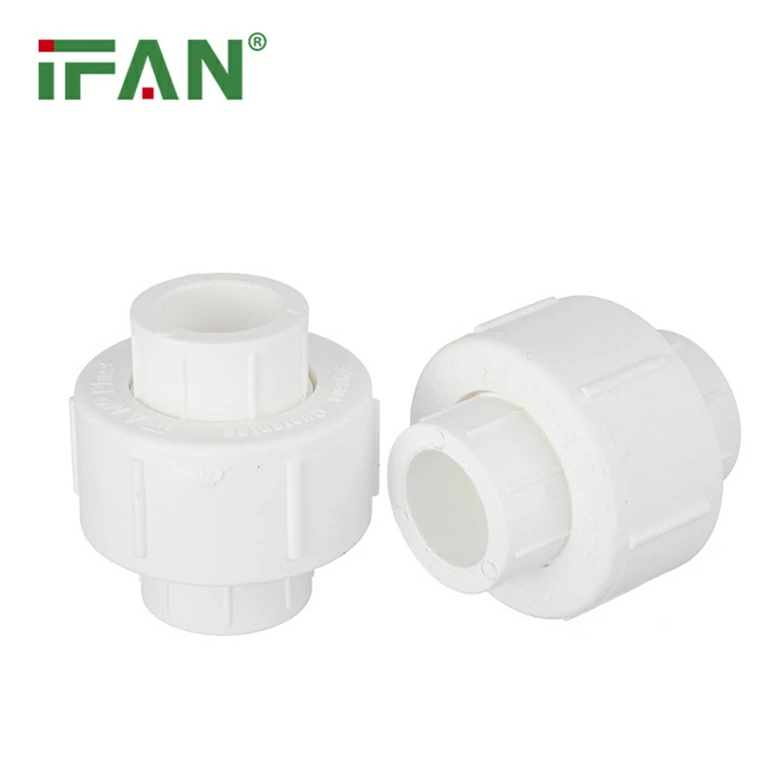
2. Scientific Research on EN 15874 PPR Pipe Fittings' Corrosion Resistance
Material Composition and Molecular Structure Analysis
Scientific studies have delved deep into the material composition and molecular structure of PPR to understand its corrosion - resistant properties. PPR is a copolymer made from propylene and ethylene monomers. The random arrangement of these monomers in the polymer chain contributes to its unique characteristics. The carbon - carbon bonds in the PPR structure are relatively stable and resistant to chemical attacks. Laboratory experiments have shown that the presence of the methyl groups in the propylene units also plays a role in enhancing the material's resistance to oxidation and many common corrosive substances. For example, in a study published in a leading polymer research journal, researchers used advanced spectroscopy techniques to analyze the molecular structure of PPR before and after exposure to various corrosive agents. The results demonstrated that the PPR's molecular structure remained intact even after long - term exposure to mild acids and alkalis, highlighting its inherent corrosion resistance.
Accelerated Corrosion Testing
Accelerated corrosion testing is a common method used in scientific research to evaluate the long - term performance of PPR pipe fittings. In these tests, PPR samples are exposed to highly corrosive environments, such as concentrated chemical solutions or extreme temperature - humidity conditions, for a relatively short period. By subjecting the samples to these harsh conditions, researchers can predict how the fittings will perform over a much longer time in real - world applications. For instance, a research project at a renowned university exposed PPR pipe fittings to a solution containing high levels of chlorine, a common corrosive agent in water treatment. The fittings were monitored for signs of degradation, such as changes in mechanical properties, surface appearance, and chemical composition. The results of these accelerated tests provided valuable data on the PPR's ability to withstand chlorine - induced corrosion, which is relevant for water supply systems.
3. Practical Cases of PPR Pipe Fittings' Corrosion Resistance in Residential Applications
Long - Term Potable Water Supply
In a residential area in a coastal city, PPR pipe fittings were installed in the potable water supply system over 20 years ago. The local water contains a relatively high level of salt and chlorine due to its proximity to the sea. Despite the harsh water conditions, the PPR pipe fittings have shown remarkable corrosion resistance. Regular inspections have revealed no signs of corrosion, such as pitting, cracking, or leakage. The water quality has also remained unaffected, with no contaminants leaching from the fittings into the water. This real - world case demonstrates the long - term reliability of PPR pipe fittings in handling corrosive elements in potable water, ensuring the safety and quality of the water supply for the residents.
4. Practical Cases in Industrial Applications
Chemical Processing Plants
In a chemical processing plant that deals with the production of various organic and inorganic chemicals, PPR pipe fittings are used in the fluid - transportation lines. The chemicals being transported include acids, alkalis, and solvents. Despite the highly corrosive nature of these chemicals, the PPR pipe fittings have proven to be durable. For example, in a section of the plant where hydrochloric acid is transported, the PPR fittings have been in use for over a decade without any signs of corrosion. The fittings have maintained their structural integrity, ensuring the safe and efficient transfer of the chemical. This practical case highlights the excellent corrosion resistance of PPR pipe fittings in demanding industrial environments.
Wastewater Treatment Facilities
Wastewater treatment facilities often handle water with a complex chemical composition, including heavy metals, organic pollutants, and strong oxidizing agents. PPR pipe fittings have been successfully implemented in many such facilities. In a large - scale wastewater treatment plant, PPR fittings were installed in the pipes that carry the treated wastewater for discharge. The treated water still contains residual chemicals that can be corrosive to many materials. However, the PPR pipe fittings have shown no signs of corrosion over several years of operation. This case demonstrates the ability of PPR pipe fittings to resist the corrosive effects of wastewater, contributing to the smooth operation of the treatment facility.
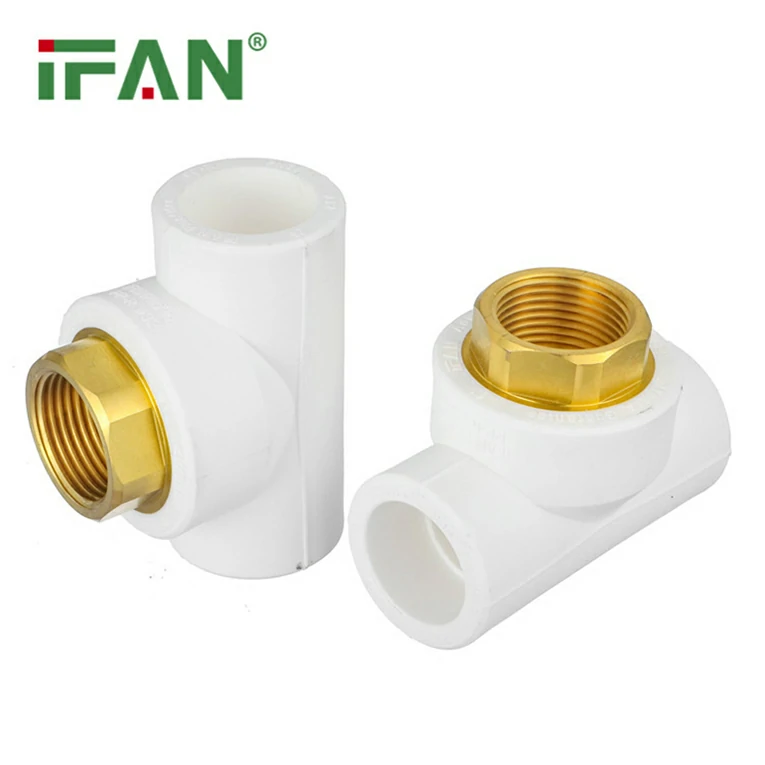
5. Factors Affecting PPR Pipe Fittings' Corrosion Resistance
Temperature and Pressure
High temperatures and pressures can affect the corrosion resistance of PPR pipe fittings. While PPR is generally heat - resistant, extreme temperatures can cause the material to soften and become more vulnerable to chemical attacks. Similarly, high pressures can put stress on the fittings, potentially leading to micro - cracks that can act as sites for corrosion initiation. In industrial applications where high - temperature and high - pressure conditions are common, proper selection of PPR pipe fittings with appropriate temperature and pressure ratings is crucial.
Chemical Concentration
The concentration of corrosive chemicals in the fluid being transported is another significant factor. Higher concentrations of acids, alkalis, or other corrosive agents can accelerate the corrosion process. In scientific research and practical applications, it's essential to consider the chemical concentration when evaluating the suitability of PPR pipe fittings for a particular application. For example, in a laboratory experiment, PPR samples exposed to a highly concentrated acid solution showed more rapid signs of degradation compared to those exposed to a dilute solution.
Hot Tags: white color ppr fitting design, China, suppliers, manufacturers, factory, wholesale, cheap, discount, low price, in stock, free sample, PPR Fitting Male Elbow, PPR Fitting Male Tee, PPR Fitting Male Socket, PPR Fitting Male Union
Send Inquiry
