
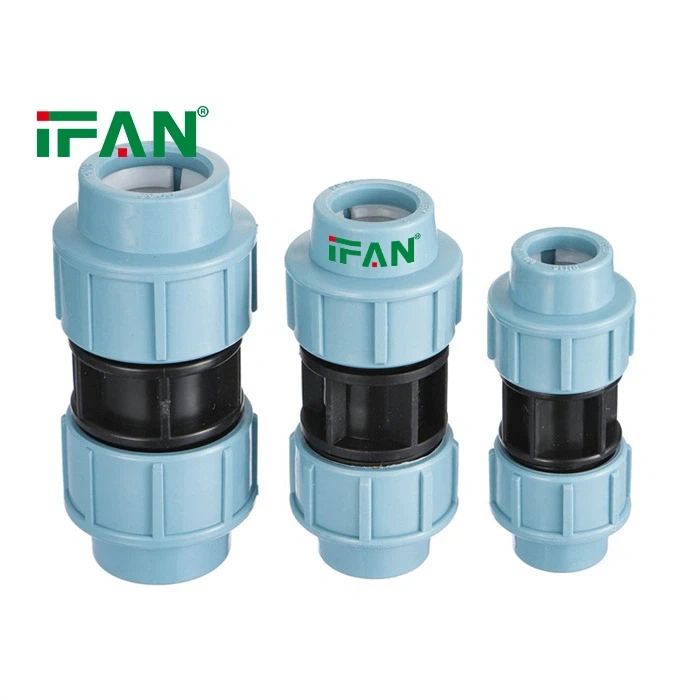
ISO Certified HDPE Pipe Fitting
Why Proper Design Reduces Failure Risk in HDPE Pipe Fittings
Introduction: Design as the Foundation of Reliability
High-Density Polyethylene (HDPE) pipe fittings are widely used in water supply, irrigation, and industrial pipeline systems due to their durability, flexibility, and resistance to corrosion. While material quality and manufacturing precision are essential, proper engineering design is the foundation that determines how well these fittings perform in real-world conditions.
A well-designed fitting not only meets dimensional requirements but also ensures balanced stress distribution, reliable connections, and long-term stability. Poor design, on the other hand, can introduce weak points that increase the likelihood of failure. Understanding the role of design helps reduce risks and improve overall system performance.
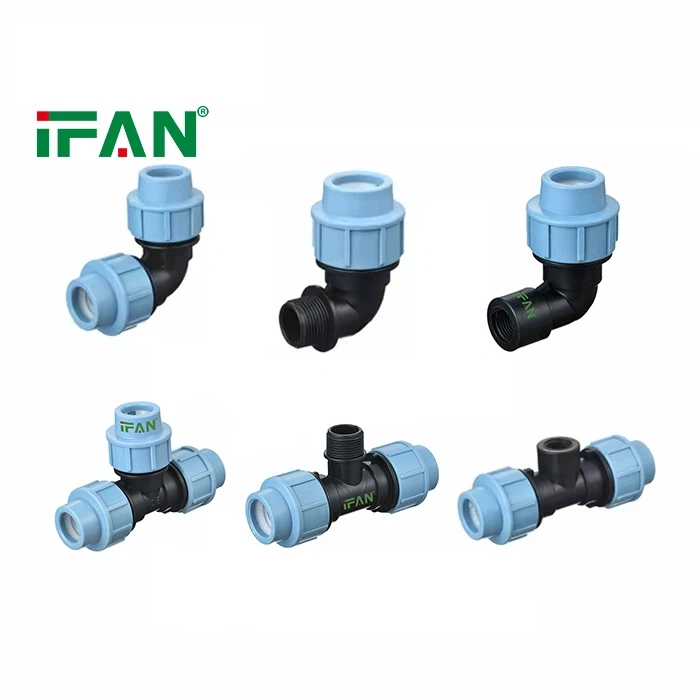
Optimized Geometry for Even Stress Distribution
One of the key objectives in designing HDPE pipe fittings is to achieve uniform stress distribution. When internal pressure or external loads act on a fitting, the stress should be evenly spread across the structure.
Proper design avoids sharp corners, abrupt transitions, or irregular shapes that can create stress concentration points. Instead, smooth curves and gradual changes in diameter help distribute forces more evenly.
By minimizing localized stress, optimized geometry significantly reduces the risk of cracking, deformation, and long-term structural failure.
Consistent Wall Thickness for Structural Strength
Uniform wall thickness is another important design consideration. Variations in thickness can lead to uneven load distribution, where thinner sections experience higher stress under pressure.
Properly designed HDPE pipe fittings maintain consistent wall thickness throughout critical areas, ensuring that all parts of the fitting contribute equally to load-bearing capacity.
This consistency enhances pressure resistance and prevents weak zones that could become failure points over time.
Improved Flow Path Design Reduces Internal Stress
The internal design of HDPE pipe fittings also plays a role in reducing failure risk. Smooth flow paths help minimize turbulence and pressure fluctuations within the pipeline system.
Poorly designed fittings with abrupt directional changes can create localized turbulence, increasing internal stress and potentially accelerating material fatigue.
By designing gradual transitions and smooth internal surfaces, engineers can reduce hydraulic disturbances and improve overall system efficiency.
Reliable Joint Design and Connection Integrity
Connection points are among the most critical areas in any pipeline system. Proper design ensures that HDPE pipe fittings can form strong and reliable joints with pipes, especially when using fusion techniques.
Design features such as accurate socket dimensions, proper alignment surfaces, and adequate fusion areas contribute to consistent joint quality. These elements help ensure that connections remain leak-free and capable of handling pressure and environmental stress.
A well-designed joint reduces the risk of separation, leakage, and long-term degradation.
Adaptability to Environmental and Operational Conditions
HDPE pipe fittings must operate under a variety of environmental and operational conditions, including temperature changes, soil pressure, and mechanical stress. Proper design takes these factors into account to ensure long-term performance.
For example, incorporating flexibility into the design allows fittings to accommodate thermal expansion and ground movement without cracking. Designing for appropriate pressure ratings ensures that fittings can handle expected system loads safely.
By aligning design parameters with real-world conditions, the risk of unexpected failure is significantly reduced.
Role of Design in Preventing Crack Initiation
Many failures in HDPE pipe fittings begin with small defects that develop into larger cracks over time. Proper design helps prevent the formation of these initial defects.
By eliminating stress concentration points and ensuring uniform material distribution, design reduces the likelihood of micro-crack initiation. In addition, smooth surfaces and well-balanced structures help resist long-term stress effects such as slow crack growth.
This proactive approach to design enhances the durability and lifespan of the fittings.
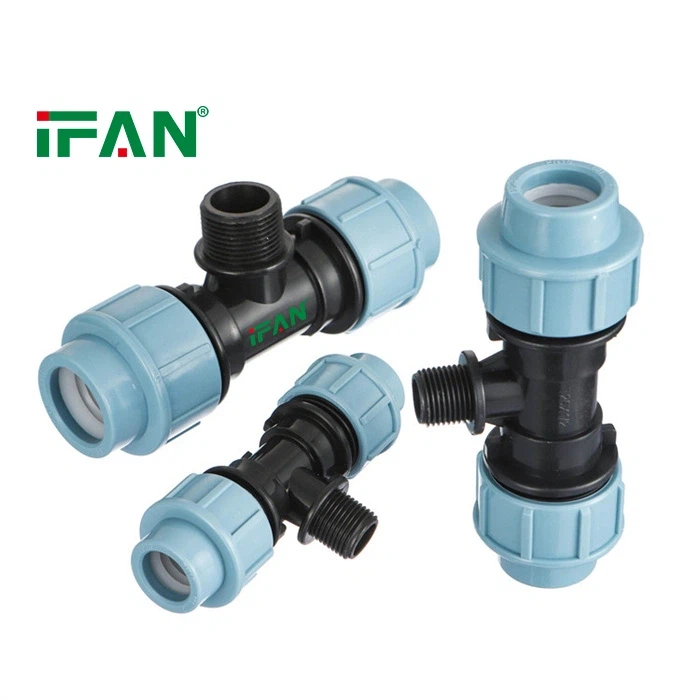
Conclusion: Engineering Design Ensures Long-Term Performance
Proper design is a critical factor in reducing failure risk in HDPE pipe fittings. Through optimized geometry, consistent wall thickness, smooth flow paths, and reliable joint structures, well-designed fittings can handle pressure, environmental stress, and long-term operational demands.
By addressing potential weaknesses at the design stage, manufacturers and engineers can significantly improve the reliability and service life of pipeline systems. In combination with high-quality manufacturing and proper installation, good design ensures that HDPE pipe fittings deliver safe and efficient performance over time.
Hot Tags: iso certified hdpe pipe fitting, China, suppliers, manufacturers, factory, wholesale, cheap, discount, low price, in stock, free sample
Send Inquiry
