

Irrigation Hdpe Pipe Fittings
IFAN factory 30+ years manufacture experience support color /size customization support free sample.Welcome to consult for catalog and free samples.This is our Facebook Website:www.facebook.com,Click to watch IFAN's product video.Compared with Tomex products, our IFAN products from quality to price are your best choice, welcome to buy!
Insulation Properties of HDPE Pipe Fittings
Introduction
HDPE (High - Density Polyethylene) pipe fittings have found extensive use in various industries, and their insulation properties play a significant role in many applications. Insulation in the context of HDPE pipe fittings refers to their ability to resist the transfer of heat and electricity. Understanding these insulation properties is crucial for ensuring the efficient and safe operation of pipeline systems in different scenarios, from heating and cooling systems to electrical conduit installations.
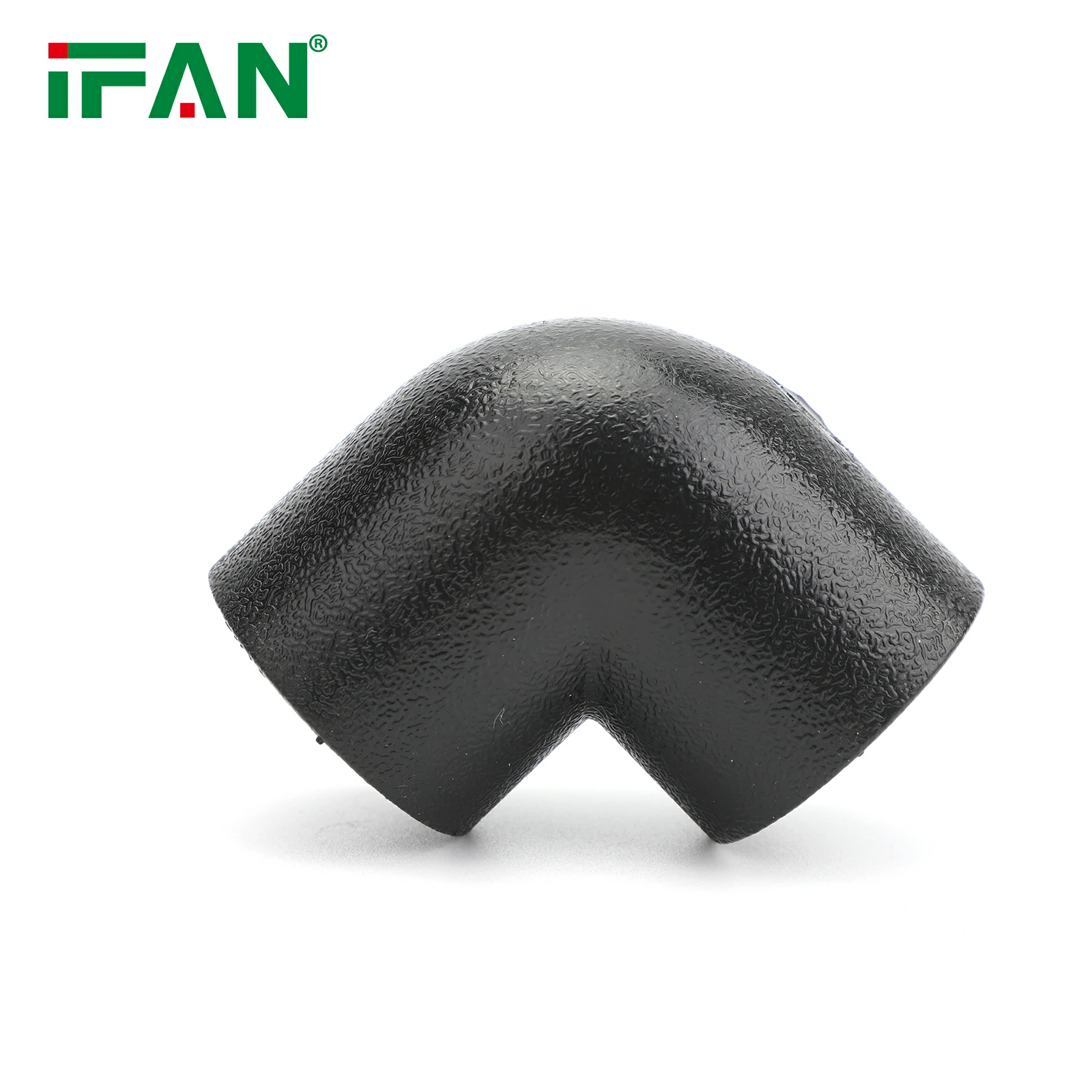
HDPE Material Structure and Insulation
Molecular Arrangement
HDPE is composed of long - chain polyethylene molecules. The high - density nature of the material is due to its relatively linear molecular structure with minimal branching. These long chains are held together by weak intermolecular forces, such as van der Waals forces. In terms of thermal insulation, this molecular arrangement restricts the movement of heat - carrying molecules. Heat transfer occurs through conduction, convection, and radiation. In HDPE, the tightly - packed yet flexible molecular chains impede the transfer of heat by conduction. The lack of free - moving electrons in the molecular structure also contributes to its electrical insulation properties. For example, in a district heating system where HDPE pipes are used to transport hot water, the molecular structure of HDPE helps to minimize heat loss through the pipe walls.
Crystallinity and Its Impact
The degree of crystallinity in HDPE has a profound impact on its insulation properties. Crystalline regions in HDPE are more ordered and tightly packed compared to the amorphous regions. Crystallinity enhances the material's thermal insulation capabilities. The well - ordered structure in crystalline regions makes it more difficult for heat - carrying phonons (quanta of lattice vibrations responsible for heat conduction in solids) to travel through the material. In contrast, amorphous regions, with their more random molecular arrangement, offer less resistance to heat transfer. However, overall, the high - density and significant crystallinity in HDPE contribute to its relatively good thermal insulation performance. In an industrial cooling system, the HDPE pipe fittings' crystalline structure helps to maintain the low temperature of the cooling fluid by reducing heat ingress from the surrounding environment.
Thermal Insulation Properties
Low Thermal Conductivity
HDPE has a relatively low thermal conductivity compared to many other materials used in pipe fittings, such as metals. Thermal conductivity is a measure of a material's ability to conduct heat. The low thermal conductivity of HDPE means that it is a poor conductor of heat. In a hot - water supply system, this property is highly beneficial as it helps to keep the water hot for longer periods. The rate of heat transfer through HDPE pipe fittings is much slower than through metal fittings. For instance, if a metal pipe fitting and an HDPE pipe fitting of the same size are used in a hot - water line, the HDPE fitting will allow less heat to escape to the surrounding environment, reducing the energy required to maintain the water temperature.
Resistance to Temperature Changes
HDPE pipe fittings also exhibit good resistance to temperature changes. They can withstand a wide range of temperatures without significant degradation of their insulation properties. In cold - climate regions, HDPE pipes used in water - supply systems can resist the low temperatures without becoming brittle and losing their thermal insulation capabilities. Similarly, in high - temperature applications, such as in some industrial processes where HDPE pipes may be exposed to hot fluids, the material can maintain its structural integrity and thermal insulation performance. This ability to resist temperature changes makes HDPE pipe fittings suitable for a variety of applications in different environmental conditions.
Electrical Insulation Properties
High Dielectric Strength
HDPE has a high dielectric strength, which is a measure of its ability to withstand an electric field without breaking down and conducting electricity. This property makes HDPE pipe fittings ideal for use in electrical conduit systems. In a building's electrical wiring installation, HDPE pipes are often used to protect the electrical cables. The high dielectric strength of HDPE ensures that the electrical current in the cables is contained within the conduit and does not leak out, preventing electrical hazards. The material can withstand high - voltage electrical fields without undergoing electrical breakdown, providing a reliable insulating barrier.
Resistance to Electrical Corona Discharge
Electrical corona discharge can occur when an electric field around a conductor is strong enough to ionize the surrounding air. HDPE pipe fittings have good resistance to electrical corona discharge. In high - voltage electrical applications, such as in power - transmission lines, the use of HDPE - based conduits helps to prevent corona discharge. The smooth surface of HDPE reduces the likelihood of sharp points or irregularities that could initiate corona discharge. This property not only ensures the safe operation of electrical systems but also helps to reduce energy losses associated with corona discharge.
Factors Affecting Insulation Properties
Temperature
Temperature can affect the insulation properties of HDPE pipe fittings. At extremely high temperatures, the molecular mobility in HDPE increases, which can slightly increase its thermal conductivity. However, within the normal operating temperature ranges for most applications, this effect is minimal. In terms of electrical insulation, very high temperatures can also cause the material to soften, potentially reducing its dielectric strength. In an industrial furnace where HDPE pipes are used in a high - temperature environment, the temperature needs to be carefully monitored to ensure that the insulation properties of the pipe fittings are not compromised.
Moisture
Moisture can also impact the insulation properties of HDPE. Although HDPE is a hydrophobic material, prolonged exposure to high - humidity environments or direct contact with water can have some effects. In the case of thermal insulation, moisture absorption can increase the thermal conductivity of HDPE as water is a better conductor of heat than the dry material. For electrical insulation, moisture can create conductive paths on the surface of the HDPE, reducing its electrical resistance. In an outdoor electrical conduit installation, proper measures need to be taken to protect the HDPE pipe fittings from moisture, such as using waterproof coatings or ensuring proper drainage.
Applications Benefiting from HDPE's Insulation Properties
Heating and Cooling Systems
In heating and cooling systems, HDPE pipe fittings' thermal insulation properties are highly valuable. In a radiant floor heating system, HDPE pipes are used to circulate hot water. The low thermal conductivity of HDPE helps to keep the heat within the pipes and efficiently transfer it to the floor, providing a comfortable heating solution. In air - conditioning systems, HDPE pipes can be used to transport chilled water. The insulation properties of HDPE prevent heat from the surrounding environment from entering the pipes, ensuring the efficient operation of the cooling system.
Electrical Conduit Systems
As mentioned earlier, HDPE pipe fittings are widely used in electrical conduit systems. In residential, commercial, and industrial buildings, HDPE conduits protect electrical wires and cables. The high dielectric strength and resistance to electrical corona discharge make HDPE an excellent choice for ensuring the safe and reliable transmission of electricity. In a large - scale data center, where a complex network of electrical wiring is required, HDPE pipe fittings provide a durable and effective insulating solution for the electrical conduits.
Comparison with Other Pipe Fitting Materials
Metal Fittings
Metal pipe fittings, such as those made of steel or copper, have significantly higher thermal conductivity compared to HDPE. In a heating system, metal fittings would allow more heat to escape, requiring more energy to maintain the desired temperature. In terms of electrical insulation, metals are conductors of electricity and do not possess the electrical insulation properties of HDPE. Metal fittings need to be coated with insulating materials if used in electrical conduit applications, while HDPE fittings offer inherent electrical insulation.
PVC Fittings
PVC (Polyvinyl Chloride) fittings also have some insulation properties, but HDPE generally offers better thermal insulation. HDPE can withstand higher temperatures without significant degradation of its insulation properties compared to PVC. In electrical insulation, HDPE has a higher dielectric strength in some cases, making it more suitable for high - voltage applications. However, PVC may be more cost - effective in some low - voltage electrical conduit applications where the insulation requirements are not as stringent.
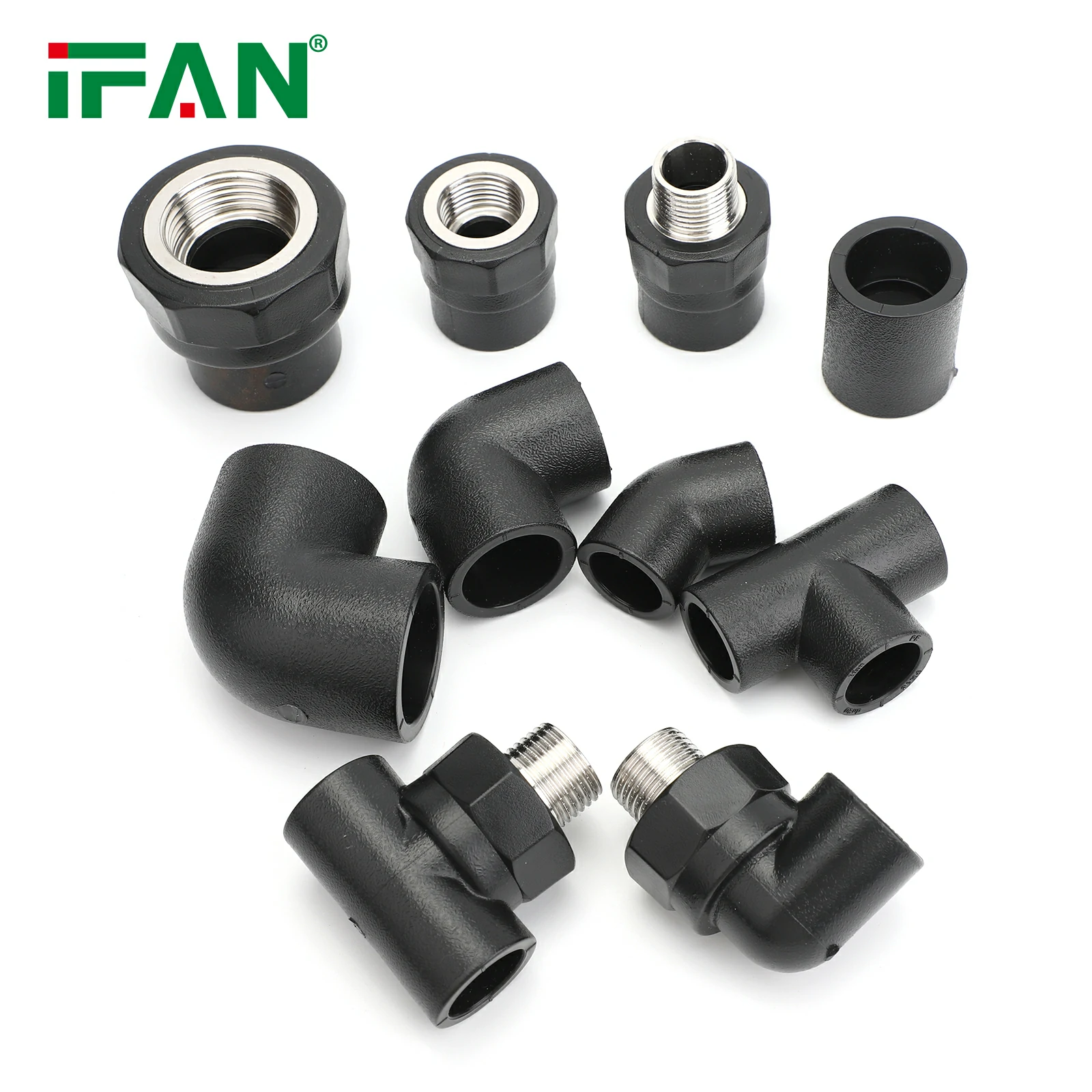
Conclusion
The insulation properties of HDPE pipe fittings, both thermal and electrical, make them a versatile and reliable choice for a wide range of applications. Understanding the material structure, the factors affecting insulation, and how HDPE compares to other materials is essential for optimizing the use of HDPE pipe fittings in heating, cooling, and electrical systems. By leveraging these insulation properties, industries can improve the efficiency, safety, and durability of their pipeline and electrical conduit installations.
Hot Tags: irrigation hdpe pipe fittings, China, suppliers, manufacturers, factory, wholesale, cheap, discount, low price, in stock, free sample
Send Inquiry
