
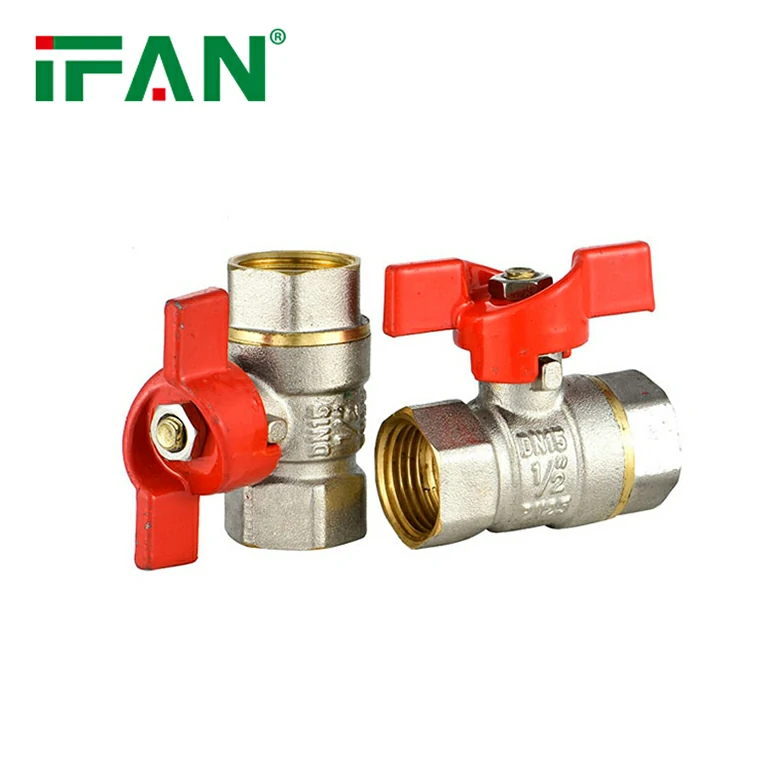
Anti-corrosion Brass Ball Valve
IFAN factory 30+ years manufacture experience support color /size customization support free sample.Welcome to consult for catalog and free samples.This is our Facebook Website:www.facebook.com,Click to watch IFAN's product video.Compared with Tomex products, our IFAN products from quality to price are your best choice, welcome to buy!
Brass Ball Valves: A Guide to Ensuring Long - Term Performance
1. Introduction: The Lifeline of Fluid - Handling Systems
In the complex web of fluid - handling systems, brass ball valves stand as the unsung heroes, playing a vital role in maintaining the smooth operation, safety, and cost - efficiency. Whether it's the simple water supply in a home or the intricate pipelines of a large - scale industrial plant, the long - term performance of these valves is non - negotiable. To unlock their full potential and ensure they serve reliably for years, a multi - faceted approach is required.

2. The Foundation: Informed Selection
Matching Valve to Fluid
The journey to long - lasting brass ball valve performance begins with a deep understanding of the fluid it will handle. Fluids vary widely in chemical makeup, temperature, and pressure. In a pharmaceutical production facility, where the utmost purity is essential, a brass ball valve with high - grade, non - contaminating materials is a must. For high - temperature applications like steam boilers, the valve must be engineered to endure the heat without compromising its shape or sealing capabilities. By aligning the valve's material and design with the fluid's characteristics, the risk of early - stage failure due to chemical reactions or thermal stress is significantly reduced.
Pressure and Flow: The Right Fit
Equally important is considering the system's pressure and flow demands. A valve's pressure rating should comfortably exceed the maximum pressure expected in the system. In a high - rise building's water - supply system, a brass ball valve with an appropriate pressure rating safeguards against leaks and catastrophic failures. Moreover, the valve's flow capacity must be in sync with the system's requirements. An undersized valve acts as a bottleneck, causing excessive pressure drops and restricted flow, while an oversized one leads to imprecise flow control.
3. Installation: The First Step to Longevity
Precision in Alignment and Connection
Proper installation is the cornerstone of a brass ball valve's long - term functionality. During installation, meticulous alignment with the pipes is crucial. A misaligned valve subjects the body to unnecessary stress, hastening its degradation. Whether the connection is threaded, flanged, or welded, strict adherence to the manufacturer's guidelines is essential. In threaded connections, the right torque is key; over - tightening can strip the threads, while under - tightening results in leaks. For flanged connections, even distribution of bolt tension ensures a secure and leak - free seal.
Shielding from External Threats
Once installed, the valve needs protection from external forces. In industrial settings, vibrations from machinery or accidental impacts can damage the valve. Mounting the valve in a vibration - isolated location or using shock - absorbing brackets can prevent such damage. In a residential context, installing the valve in a protected area, away from potential knocks during routine activities, helps preserve its integrity.
4. Maintenance: The Key to Prolonged Performance
Keeping Moving Parts in Motion
Regular lubrication of the brass ball valve's moving parts is like giving it a tune - up. The stem, ball, and other components should be lubricated at regular intervals. A high - quality lubricant, carefully selected to be compatible with the fluid, reduces friction and wear. In a busy industrial pipeline where the valve is frequently opened and closed, proper lubrication ensures smooth operation and prevents parts from seizing.
Early Detection through Inspection
Periodic inspections are a proactive measure to catch issues before they escalate. Visual checks of the valve body, ball, and seat can reveal signs of wear, corrosion, or leaks. Corrosion, in particular, can weaken the valve's structure and lead to leaks. In a water - treatment plant, a small, undetected leak can grow over time, causing water waste and potential damage to the surrounding infrastructure. Pressure tests can also help identify any hidden issues, allowing for timely repairs.
5. Operation: The Do's and Don'ts
Steering Clear of Over - Stress
Proper operation is essential for the valve's long - term health. Over - pressurization can be a valve's worst enemy, causing the body to burst or the seals to fail. In industrial systems, installing pressure - relief valves provides a safety net against over - pressurization. When operating the valve, especially in threaded models, over - torqueing the handle should be avoided. This can damage the threads and the valve stem, leading to leaks and operational difficulties.
Trusting the Manufacturer's Wisdom
Finally, users should always rely on the manufacturer's instructions. These instructions cover everything from the correct opening and closing procedures to recommended operating conditions. In a complex industrial process, following these guidelines ensures the valve operates within its designed parameters, maximizing its lifespan and performance.

6. Conclusion: A Holistic Approach to Long - Term Success
In summary, ensuring the long - term performance of brass ball valves demands a holistic approach. By carefully selecting the right valve, installing it correctly, maintaining it regularly, and operating it properly, users can enjoy the benefits of a reliable and long - lasting valve. This not only ensures the seamless operation of fluid - handling systems but also minimizes the costs associated with premature valve replacements and system failures.
Hot Tags: anti-corrosion brass ball valve, China, suppliers, manufacturers, factory, wholesale, cheap, discount, low price, in stock, free sample, Brass Core Ball Valve, Brass Valve Bibcock
Send Inquiry
